 Cinema Vines
In 2026, Indian cinema delivered another tear‑jerker about the Partition with Main Vaapas Aaunga. Now director Rajkumar Santoshi, who has previously crafted classics such as Ghayal, Damini and Ghatak, turns his attention to the 1947 split in a new film, Batwara 1947. The project is an adaptation of the popular play Jis Lahore Nai Dekhya, O Jamyai Nai (Those who haven’t seen Lahore, aren’t even born yet), and it brings together a star‑studded cast that includes Sunny Deol, Shabana Azmi and Preity Zinta.
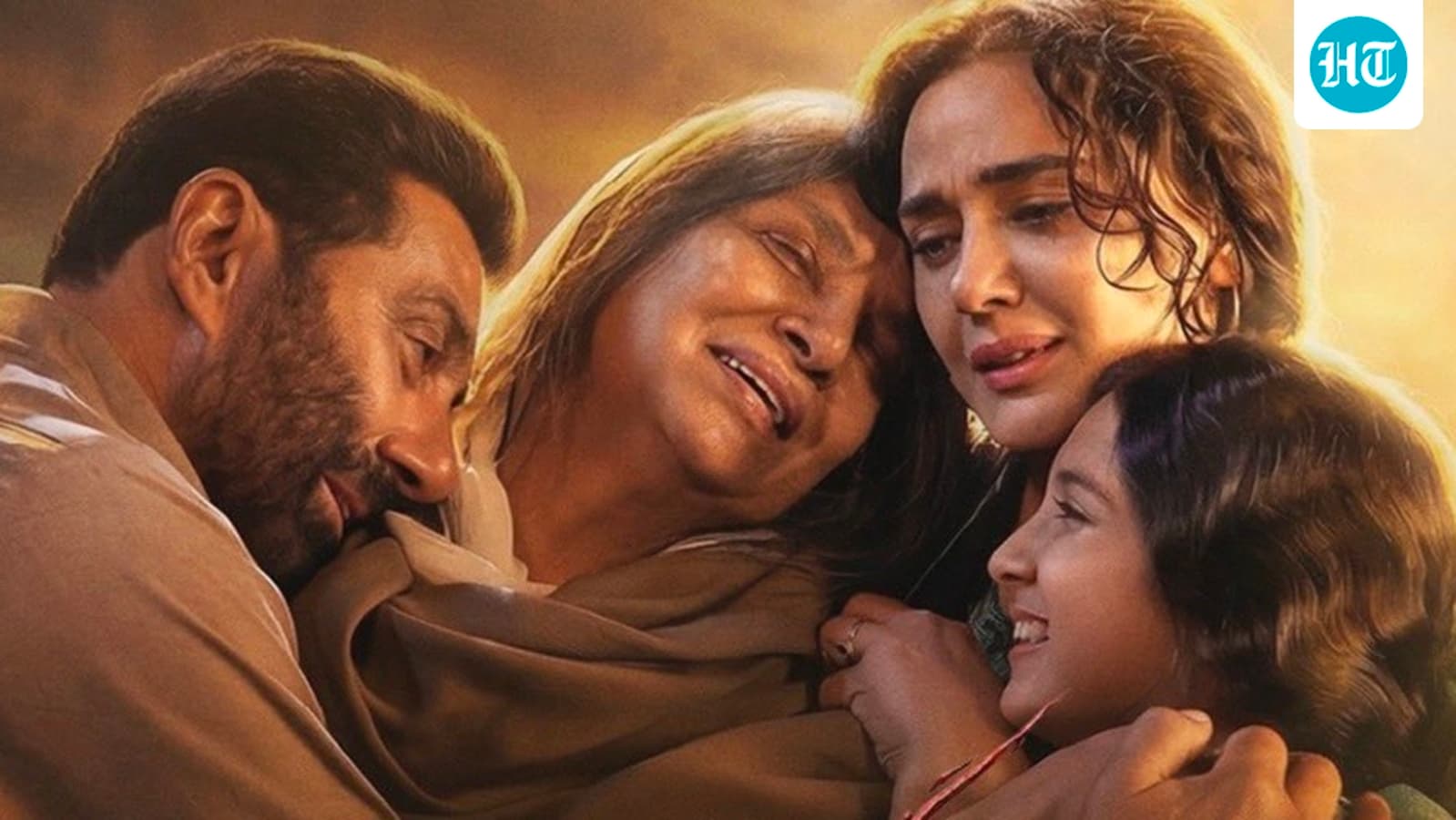
The narrative centers on Sikandar Mirza (Sunny Deol), his wife Hamida (Preity Zinta), their son Javed (Karan Deol) and daughter Tanvir (Khushi Hajare). Overnight, the family is forced to flee India in the chaos of Partition, arriving in Lahore only to find their allotted haveli occupied by a Hindu woman named Durgavati, affectionately called Mai by the neighborhood. The Mirzas attempt to evict her, but Mai refuses, claiming she is waiting for her son’s return. Tensions rise when Yaqoob (Abhimanyu Singh), an aspiring politician, injects communal undertones into the already volatile situation, setting the stage for the film’s central conflict.
Santoshi’s adaptation of the play is praised for its engaging first half, which grips audiences unfamiliar with the source material and invites deep reflection on the trauma of being uprooted overnight. The film captures the emotional scars of Partition, reminding viewers that the division was more than a drawn line—it was a rupture of homes and lives. However, critics note that the director’s old‑school style sometimes makes the movie feel like a stage play or an ’80s film, with louder pitches and exaggerated confrontations that detract from the quiet realism the story could have achieved.
While the opening half is compelling, the second half falters slightly. The narrative momentum dips, pacing becomes uneven, and the music occasionally drags. Nevertheless, the film regains its footing, largely thanks to its strong performances and the powerful emotional core that underpins the story of displacement and loss.