 Cinema Vines
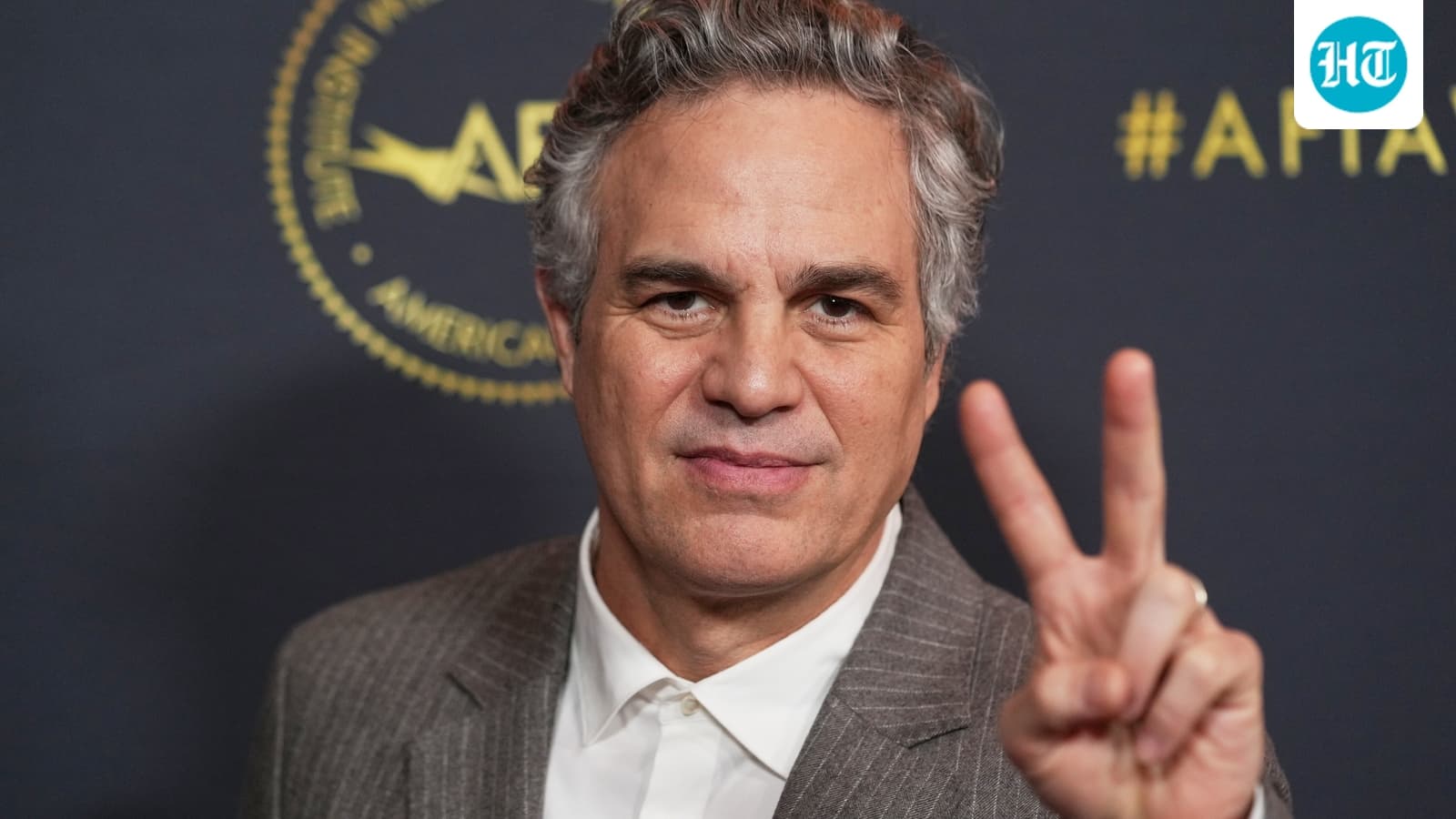
Actor Mark Ruffalo has fired back at Paramount Pictures after the studio branded his criticism of the company’s $110.9 billion bid for Warner Bros. as “antisemitic.” Ruffalo’s remarks, posted on X (formerly Twitter) on Tuesday, called the accusation “appalling and fundamentally dishonest.” He argued that calling his criticism of Israeli policies or the technology used by the Israeli government “antisemitic” misrepresents his intent and conflates political critique with hostility toward Jewish people.
Ruffalo’s post began with the statement, “The accusation that I am antisemitic is appalling and fundamentally dishonest.” He clarified that his opposition to the Israeli prime minister’s actions, a military‑technology contract, and the executives supplying that technology does not equate to anti‑Jewish sentiment. “This critical and necessary dialogue is then dishonestly framed as being anti‑Israel,” he wrote. He added that his views stem from personal political convictions and that he “has deep love and respect” for Jewish friends, colleagues, and family who have shaped his life and career.
In his critique of the Paramount‑Warner deal, Ruffalo highlighted the merger’s potential impact on workers and the media landscape. He said the $111 billion transaction would give one family control over CNN, HBO, and Warner Bros., and that foreign money—partly from Oracle—could influence editorial decisions. “Lawmakers on both sides of the aisle have called for a serious national‑security review, and regulators still haven’t given the public a real answer,” he wrote. Ruffalo urged a pause on the merger until those concerns were addressed.
Ruffalo’s comments also tied the merger to Oracle’s involvement in the Israel‑Gaza conflict. He shared a 2024 clip of former Oracle chief Safra Catz speaking about “profoundly scary technologies” and described the war as a “genocide” built on an apartheid system powered by Oracle. He warned that those technologies could be integrated into the new media conglomerate, potentially “crushing workers and consolidating the we.”
Paramount’s response to Ruffalo’s post was swift, labeling his remarks antisemitic. The actor’s counter‑statement was a direct rebuttal, emphasizing that his criticism is rooted in humanism and activism rather than anti‑Jewish bias. Ruffalo’s call for transparency and accountability in the merger has added a new dimension to the debate over media consolidation and its broader societal implications.