 Cinema Vines
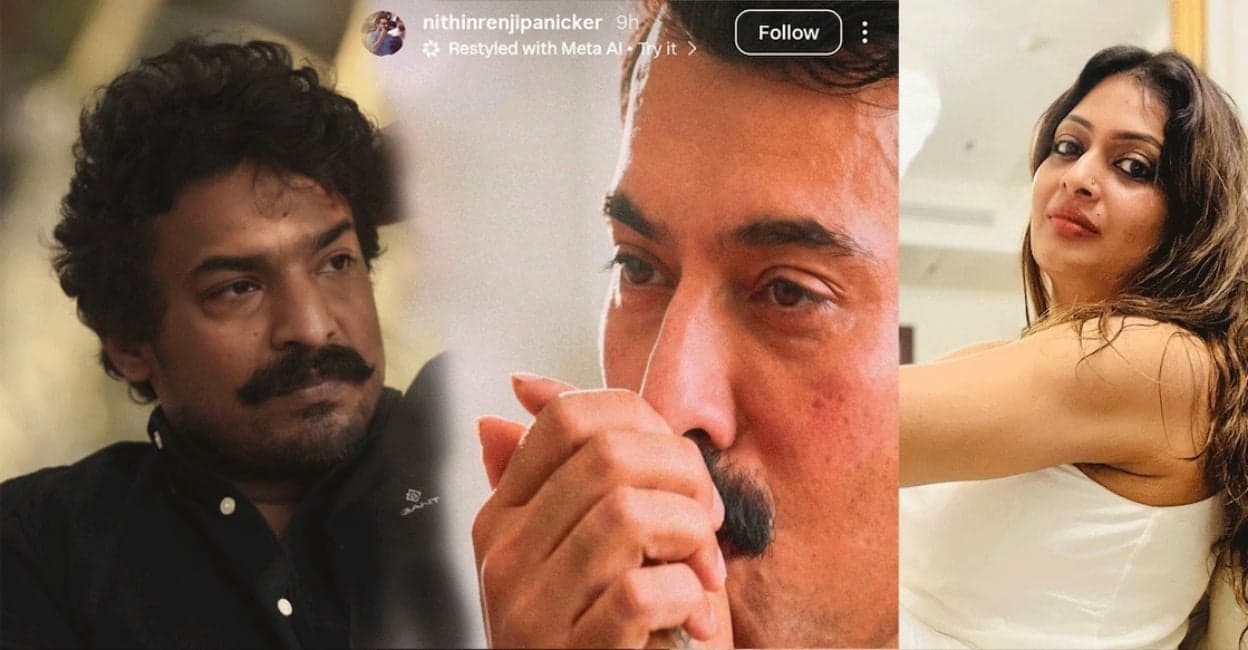
Director Nithin Renji Panicker has quietly stirred the pot again, this time by posting a still from his 2016 film Kasaba on his Instagram Story. The image shows Mammootty’s character, Rajan Zachariah, gently kissing the heroine’s hand—a gesture that critics say echoes the very scene that sparked the debate over the film’s portrayal of women.
Although the post came without a caption, it is widely read as a pointed reply to the backlash against Geetu Mohandas’s latest movie, Toxic, which stars Yash and has been accused of objectifying female characters. The timing of the post—just as Toxic is under fire for similar imagery—has drawn particular attention, especially given the history between Nithin and Geetu.
In 2016, when actress Parvathy Thiruvothu publicly denounced the misogyny in Kasaba at a film festival, Geetu was present and encouraged Parvathy to name the film. Parvathy’s remarks ignited a national conversation about the depiction of women in cinema and led to a wave of criticism aimed at both the director and the film. The controversy also triggered intense cyberattacks on Parvathy, who was a vocal critic of the movie’s treatment of female bodies.
Now, with Toxic facing similar accusations—starting with the teaser and intensifying after its theatrical release—Nithin’s silent Instagram post appears to be a subtle jab at Geetu. He has previously taken a more direct stance, questioning how someone who condemned Kasaba for misogyny could now seem to endorse a different form of the same problem in a new language. By sharing a scene from his own film without words, he lets the image speak for itself, suggesting that the issues raised in Kasaba remain relevant.
As the debate over female representation in Indian cinema continues to heat up, the director’s latest move adds another layer to the conversation, reminding audiences that the conversation about misogyny in film is far from over.