 Cinema Vines
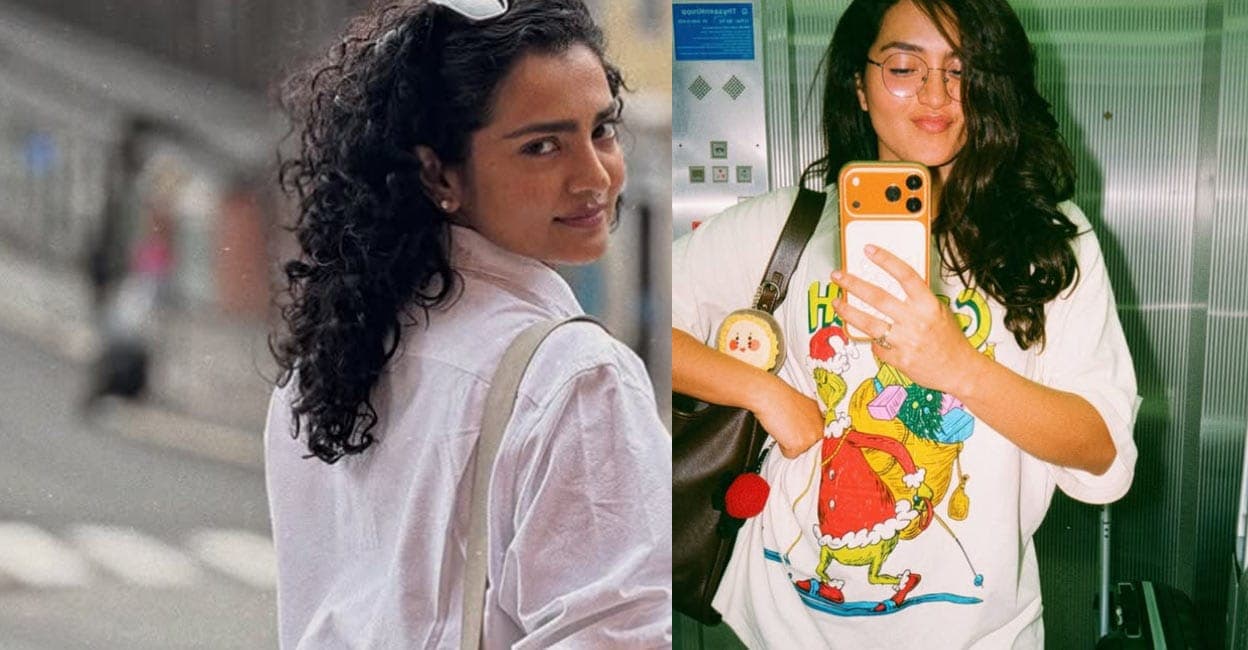
Actor Parvathy Thiruvothu, who is preparing for a key role in Shahad Nilambur’s upcoming film Pradhama Drishtya Kuttakkar, has publicly reaffirmed her stance on a controversial comment she made about the film Kasaba. In a recent interview with Manorama News, the actress clarified that she has never regretted her remarks and has no intention of revising her opinion, even after the backlash that followed.
Parvathy’s criticism focused on a line spoken by Mammootty’s character in Kasaba, which she felt was directed at a fellow female police officer in a manner she found objectionable. She emphasized that her views stem from her personal values and are not meant to be universally accepted. “The views I express are in keeping with my values. It doesn’t always have to be accepted or approved by everyone,” she said, adding that she no longer expects people to understand her fully. “There are people who like me and people who hate me. That’s all,” she continued.
Addressing rumors that director Geetu Mohandas had supported her comments, Parvathy denied any endorsement. She noted that Geetu had been present when she voiced her concerns and had encouraged her to speak out, but clarified that the opinions expressed were solely her own. “What I said was my own perspective. Geetu never endorsed it or anything,” she explained. Parvathy stressed that sitting beside Geetu does not imply a shared viewpoint on every film the director creates.
The actress also condemned the tendency to pit women against one another, calling the narrative that links her earlier remarks to Geetu’s filmmaking an “old mindset” that treats women as each other’s worst enemies. When asked whether the Association of Malayalam Movie Artists (AMMA) could adopt a feminist stance, Parvathy was unequivocal. “No. That’s precisely why I left A.M.M.A. When women take charge of an organisation, it is unfair to compare them with those who ran it for 25 years, pass judgment on them and expect them to deliver perfection immediately,” she said.
Parvathy’s comments have sparked debate among industry insiders and audiences alike. While she maintains that her critique of Kasaba remains unchanged, she also highlights the broader issue of how women in cinema navigate criticism and support within a traditionally male‑dominated space. The actress’s candidness underscores her commitment to speaking her truth, regardless of the potential fallout.