 Cinema Vines
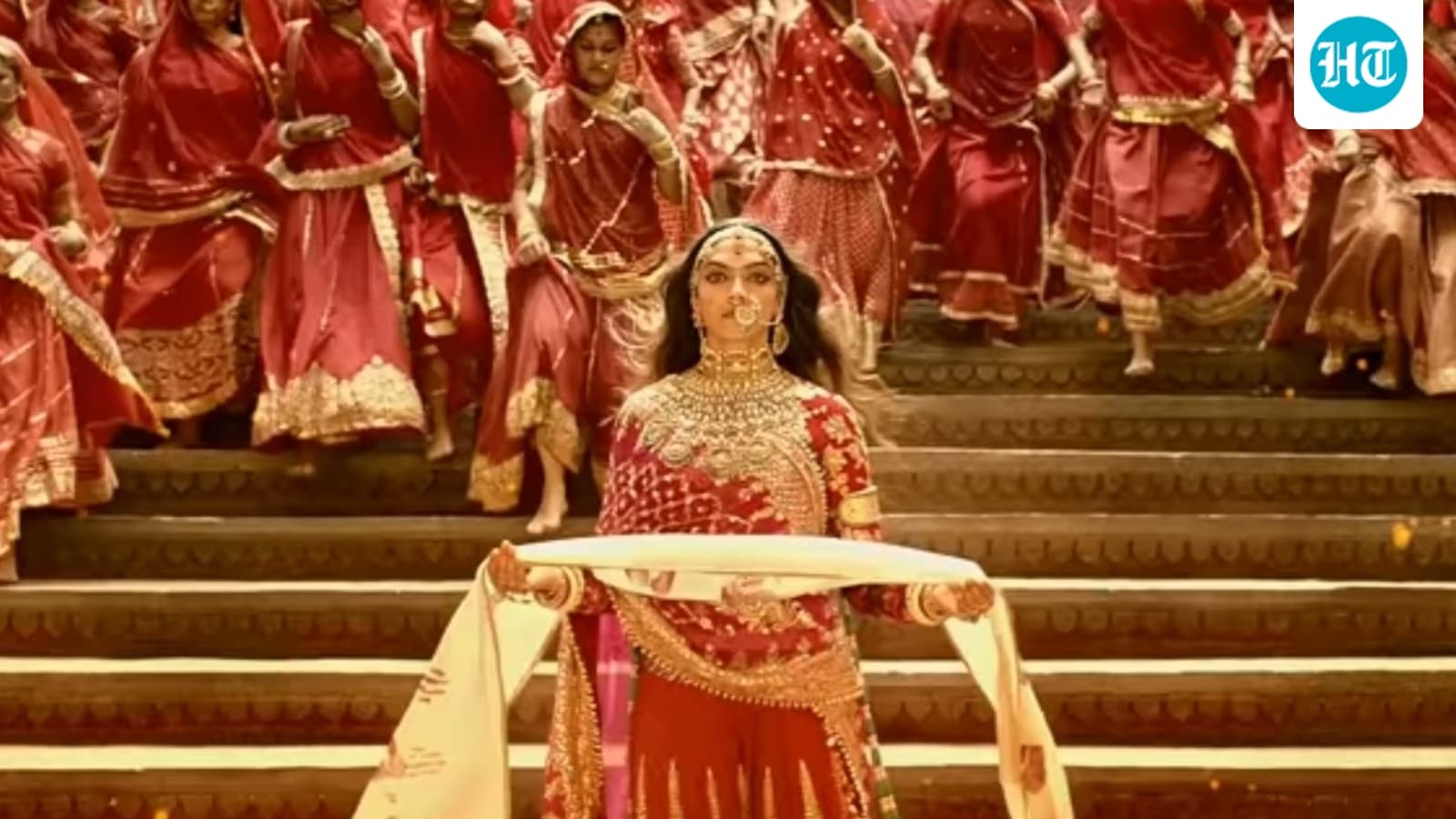
Swara Bhasker, the Bollywood actress known for her outspoken views, sparked a fierce online debate after she criticized the Jauhar scene in the 2018 film Padmaavat. The comments were made during a Woman Life Freedom discussion at the India International Centre in Delhi on August 31, where Bhasker addressed the controversial depiction of the mass self‑immolation by Rajput women at the film’s climax.
During the event, Bhasker said she was watching the sequence and imagined herself as a rape survivor, questioning what message the film was sending to survivors of sexual violence. She argued that the scene could make a survivor feel like a “coward” for not committing suicide to preserve her honor, and that it might suggest that rape ends a woman’s life. She added that the portrayal of a pregnant woman performing Jauhar made her “mad” because it implied a fetus that might be raped by a Muslim ruler did not deserve to be born. Bhasker waited five days before writing a letter about her reaction.
The actress’s remarks were met with strong backlash on social media. Many users defended the historical practice of Jauhar, describing it as an act of bravery rather than cowardice, and criticized Bhasker for equating medieval atrocities with modern rape. Commentators pointed out that the Mughal Empire had a history of keeping Hindu women in captivity and treating them as sex slaves, and they called Bhasker’s interpretation ignorant and malicious.
Supporters of Bhasker argued that the film’s portrayal of Jauhar could be harmful to contemporary survivors of sexual violence, while detractors insisted that the scene was a legitimate historical representation of women’s resistance against oppression. The controversy highlights the ongoing debate over how historical events are depicted in cinema and how such portrayals resonate with modern audiences.