Cinema Vines
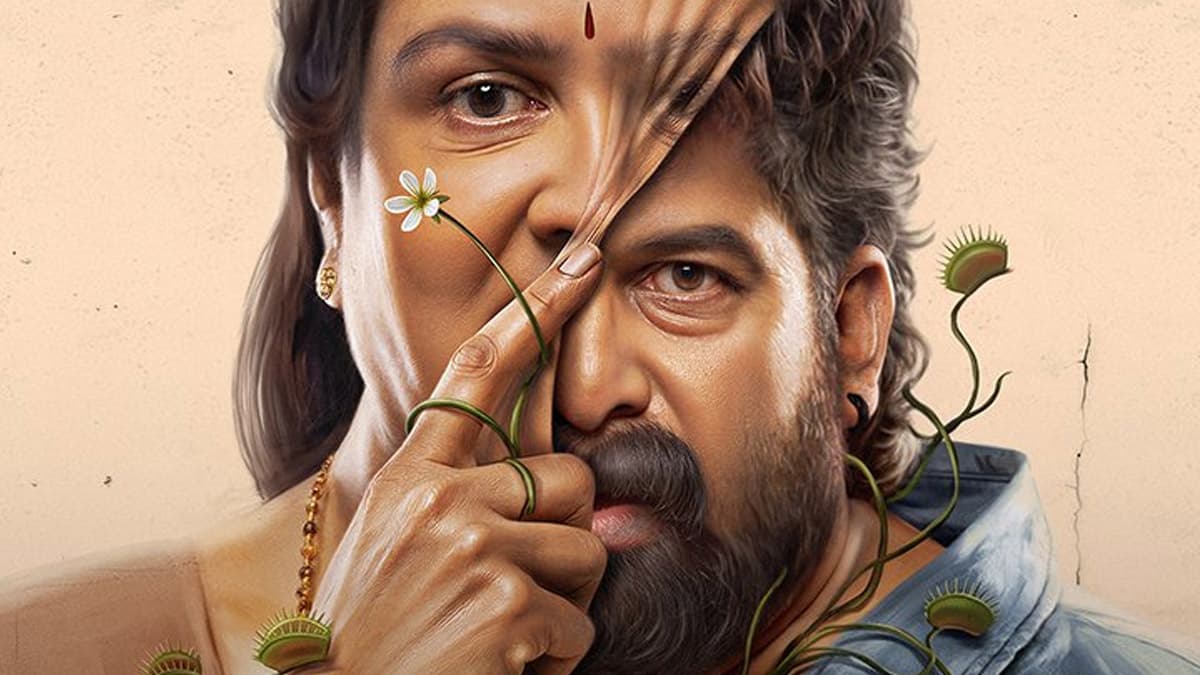
Immortal actor Kayadu Lohar has spoken out after a scene in her latest film, Immortal, was criticised for objectifying her. The creature feature, directed by Mariyappan Chinna and starring GV Prakash Kumar, received lukewarm reviews from both critics and audiences. During an interview on Sudhir Srinivasan’s YouTube channel, Lohar was asked whether the portrayal of her character was exploitative and how it affected her as an actress.
She answered that she is “definitely not okay” with being reduced to a mere object in a film, yet she also acknowledged that if a role’s demands justify a certain level of objectification, she might accept it to some extent. “If I feel like the character, it’s what it demands, it’s convincing enough for me, and for the story, then I think it’s okay with me to a certain point,” Lohar said. She added that she would never consent to a scene that simply exists for visual appeal or to generate Instagram buzz.
Lohar described the conversation about objectification as “the most difficult” to have behind the scenes. She noted that many filmmakers assume that audiences expect such portrayals, but she believes that viewers are increasingly questioning how women are depicted in cinema. The actress highlighted that while some audiences still enjoy traditional representations, the overall perception is shifting toward demanding more respectful and nuanced roles for women.
Although she did not name specific films, observers on X (formerly Twitter) and YouTube suggested that Lohar might have been referring to the controversy surrounding the 2023 film Peddi, in which Janhvi Kapoor’s character was objectified and subjected to assault. The makers of that film removed the contentious scenes two weeks after release and claimed that objectification was never intended.
Looking ahead, Lohar has several projects lined up, including The Paradise, Thaaram, Manjanaththi, and Suriya 48. She has also appeared in Funky, Pallichattambi, Idhayam Murali, and I’m Game this year. With a Master’s degree in Journalism and more than a decade of experience as a field reporter and sub‑editor for outlets such as The Times of India and Reader’s Digest, Lohar brings a unique perspective to her advocacy against the objectification of women in film.