Cinema Vines
Actor Benedict Garrett, who appeared in Geetu Mohandas’ Kannada‑language film Toxic: A Fairy Tale for Grown‑Ups, has publicly defended the movie after it faced a wave of negative reviews from both critics and audiences. The film, released in theatres on August 26, has already earned roughly ₹300 crore worldwide, yet it was met with criticism for its screenplay, dialogue, violence and sexual content.
Garrett took to social media to share behind‑the‑scenes photos and wrote a lengthy caption urging viewers to judge the film on their own rather than rely on the negative press. He said, “Sometimes malfunctions happen, Raya. Don’t make the mistake of judging a film by the negative reviews of others (be they genuine or paid). You have your own mind, don’t you? Use it. Remember – #TOXIC is a FAIRY TALE for GROWN‑UPS. Still showing in cinemas.” He added that the film “won’t be for everyone” but praised director Geetu Mohandas for creating a challenging, unconventional piece that invites interpretation.
In a separate post, Garrett reflected on his personal experience watching the movie. He admitted he had no expectations and was surprised by how deeply the story resonated with him, noting that “Toxic isn’t really about the violence, the gore, the sex or the spectacle. It’s a fairy tale for grown‑ups—a dark, chaotic, disturbing reflection of the toxic world we inherit and the choices that trauma, conditioning, power, religion, colonialism and society can make us capable of.” He also highlighted Yash’s performance as “absolutely astounding” and expressed pride in being part of the project, while clarifying that his comments were those of a viewer, not a promotional push.
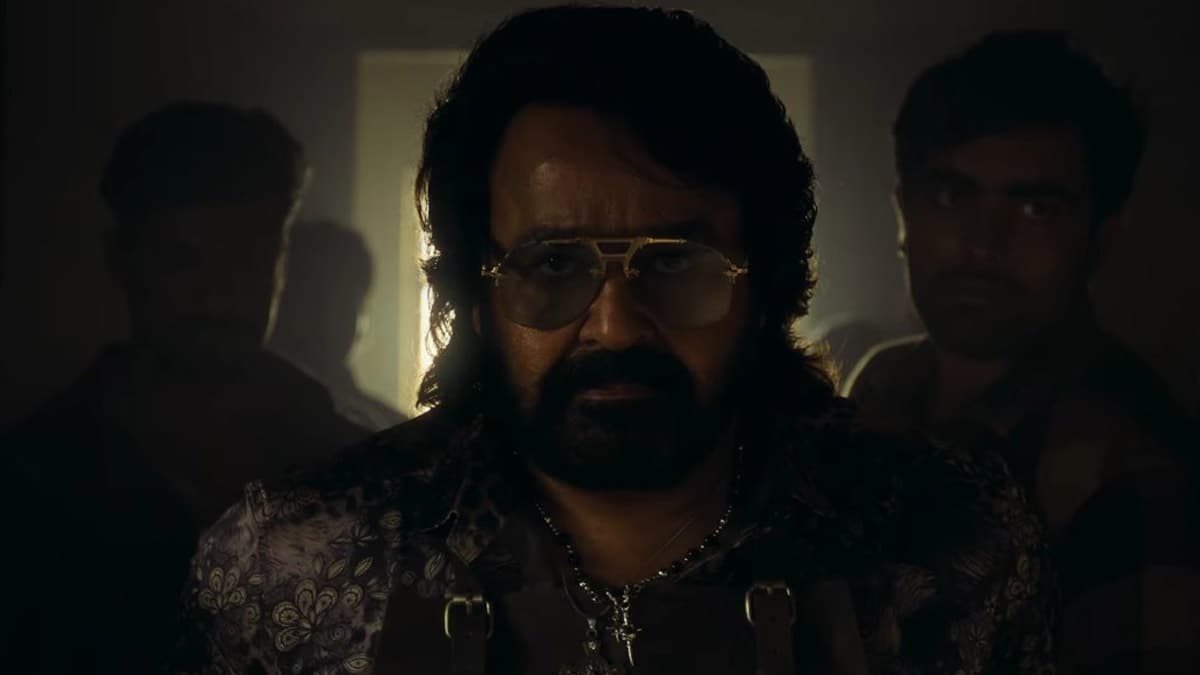
The film, directed by Mohandas and co‑written by Yash, was produced by Venkat K Narayana and Yash through KVN Productions and Monster Mind Creations. It stars Yash, Kiara Advani, Nayanthara, Huma Qureshi, Tara Sutaria and Rukmini Vasanth. The plot follows a gangster who controls illegal activities in Goa, a region still under Portuguese rule after India’s independence. Despite its controversial themes, the movie remains in cinemas and continues to attract a dedicated audience.