 Cinema Vines
Young filmmaker Ankur Hooda has turned a local Haryanvi ritual into a haunting cinematic meditation on the cost of progress. His debut feature, Khal Bachhda (The Calf Doll), premiered in Copenhagen at the International Documentary Film Festival, where it received international acclaim. The film was subsequently selected as one of eight entries for the documentary competition at the upcoming 70th BFI London Film Festival.
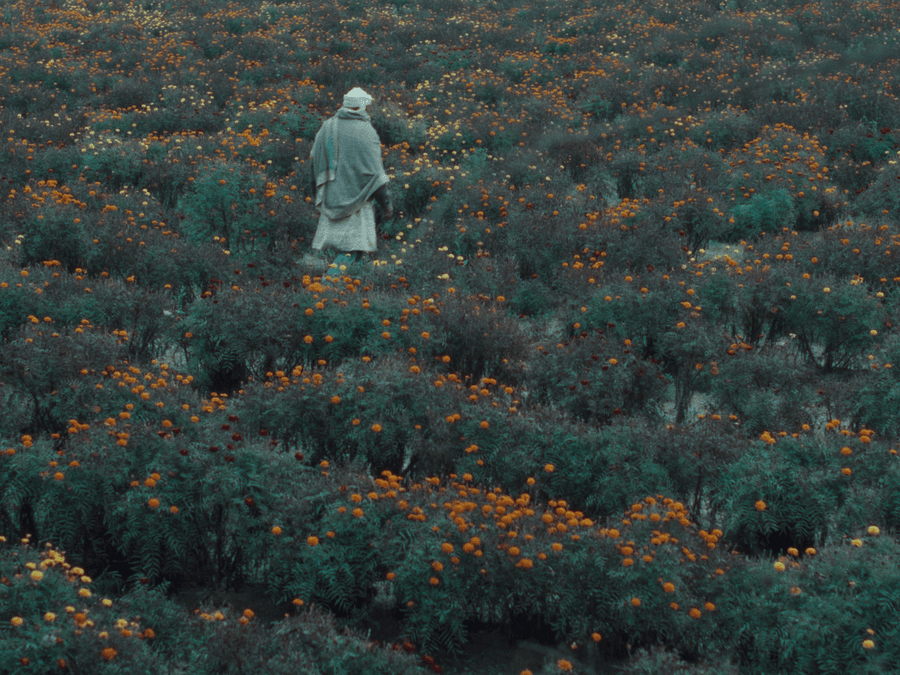
The story unfolds in the village of Dayalpur, near Faridabad, and follows Satbir Singh Hooda, a retired teacher who has spent his life teaching English. When his only cow gives birth to a stillborn calf and stops producing milk, Satbir’s quiet existence is shattered. Faced with the prospect of losing his livelihood, he turns to a forbidden rural practice: crafting a lifelike doll from the skin and body of the dead calf, hoping to trick the grieving mother into producing milk once more.
Hooda’s film is a hybrid of documentary and para‑fiction, and it uses the ritual as a visual metaphor for the mounting desperation of aging farmers. Their children have migrated to cities, leaving them vulnerable to profit‑driven middlemen who offer oxytocin injections and push farmers to sell their animals. The act of skinning the calf becomes a stark image of the erosion of emotional bonds and the relentless push to keep the economy “lactating.”
In interviews, Hooda explained that the idea for the film sprang from a simple, personal observation: “One winter noon in my village, I saw my grandfather sitting alone, gazing at the neighbour’s cow with a childlike desolation after having sold his own herd reluctantly.” The experience left him questioning what remains of a person when the thing that defined their life is gone. He drew on influences ranging from Turkish director Nuri Bilge Ceylan to literary giants Premchand and Chekhov to shape the film’s imagery and themes.
The director’s approach to casting was equally rooted in authenticity. He cast his grandparents as themselves, believing that their lived experience would bring an unfiltered depth to the narrative. “Casting them felt completely instinctive,” Hooda said. “The film emerges directly from their lived experiences.” The practice of calf dolls, while banned, still persists in northern India and, according to Hooda, in some African and South American cultures, underscoring its global resonance as a cost‑effective, if controversial, method of sustaining milk production after a calf’s death.