 Cinema Vines
Anjali Arora, the social‑media star known for her dance reels, has faced backlash after being cast as Sita in the upcoming mythological film Mahakavya Shri Ramayan Katha. The controversy erupted when the film’s trailer was released on Thursday, prompting the actress to address critics directly and urge viewers to separate her personal life from her on‑screen role.
During the trailer launch, Arora explained that being targeted for playing a revered figure is part of being a public figure. "I didn’t feel sad about it because we are public figures, and we have given the public the right to judge us," she said. She added that the trolling—particularly comments about her dancing background—doesn’t deter her. "Everyone dances; which actor doesn’t dance? I love to dance; it is my hobby. I am not ashamed of it," she remarked.
Arora emphasized that as an actor she will give 100 percent to any character she is offered. "Once it comes out in front of the public, it is their decision the way they want to look at it. I have played the role of Sita Maa, and now, after watching the trailer, did you feel that she is the same Anjali whom we see on social media? My only aim is that when the audience watches the movie, they keep my personal life and personality aside," she said.
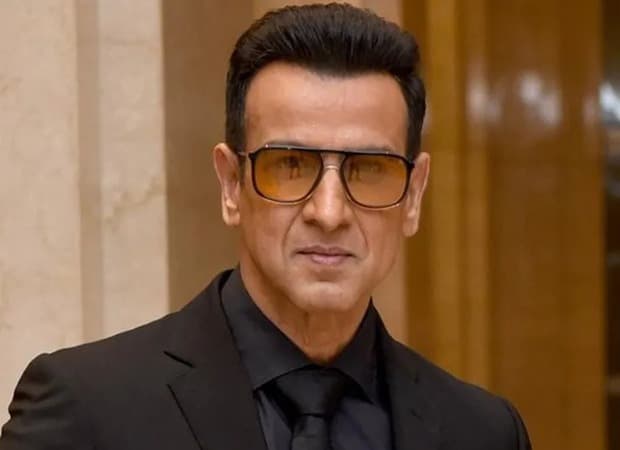
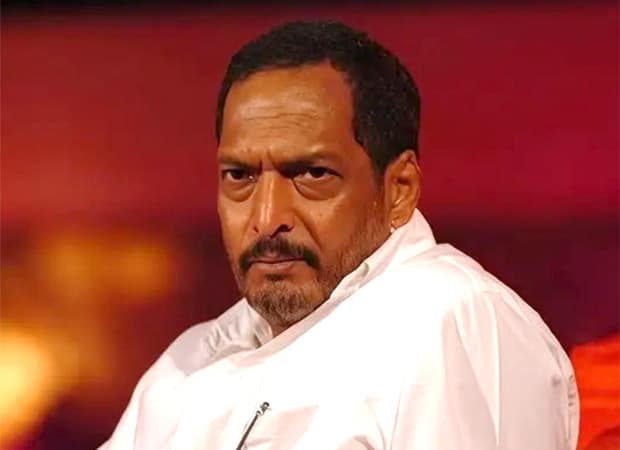
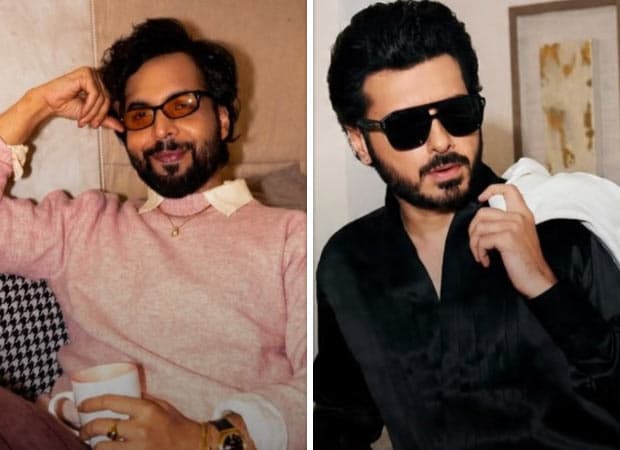
The film, directed by Abhishek Singh and produced by Prakash Mahobiya and Sanjay Bundela under Mahobiya Films, is slated for a September 25 release across India in Hindi and Chhattisgarhi. It features Dev Sharma as Lord Rama, Rajniesh Duggal as Ravan, Sheel Verma as Lakshman, and Nirbhay Wadhwa as Hanuman, with Arora taking on the central role of Sita.
Arora’s rise to fame began with a dance reel to the trending track “Kacha Badam,” followed by appearances on the reality show Lock Upp and several music videos. Despite her popularity, some online users argue that her social‑media persona does not align with their perception of a sacred mythological character, sparking the recent criticism.