 Cinema Vines
On September 18, two contrasting Indian films hit the screens: the police‑investigation drama Daayra and the action‑comedy Vibe. While their stories and tones could not be more different, both movies share a quirky commonality – the opening credits feature a special thanks to prominent film personalities.
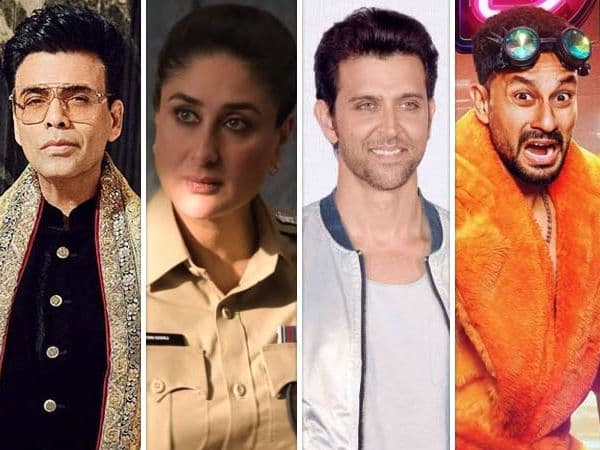
In Daayra, the name that appears under ‘Special Thanks’ is that of Karan Johar. According to a source quoted by Bollywood Hungama, Johar had originally owned the title rights to the film. When director Meghna Gulzar approached him for the rights, he generously agreed to hand them over. The source added that Johar admires Gulzar’s filmmaking and has a history of collaboration with her, notably on the 2018 Alia Bhatt‑starrer Raazi. Johar’s close friendship with Daayra lead star Kareena Kapoor Khan further prompted the makers to acknowledge his gesture in the opening slate.
Meanwhile, Vibe takes a different tack. The film’s opening credits give special thanks to Hrithik Roshan and Huma Qureshi – a nod that becomes clear only when viewers watch the movie. The credits creatively incorporate the actors’ names into the film’s narrative, especially Huma Qureshi’s mention, which is designed to elicit laughter. The presentation of the special thanks and the media partner logos is itself a playful moment: as the logos appear, the leads, Kunal Kemmu (who also directs the film) and Sparsh Srivastava, break character to comment humorously on why these logos and names are being shown.
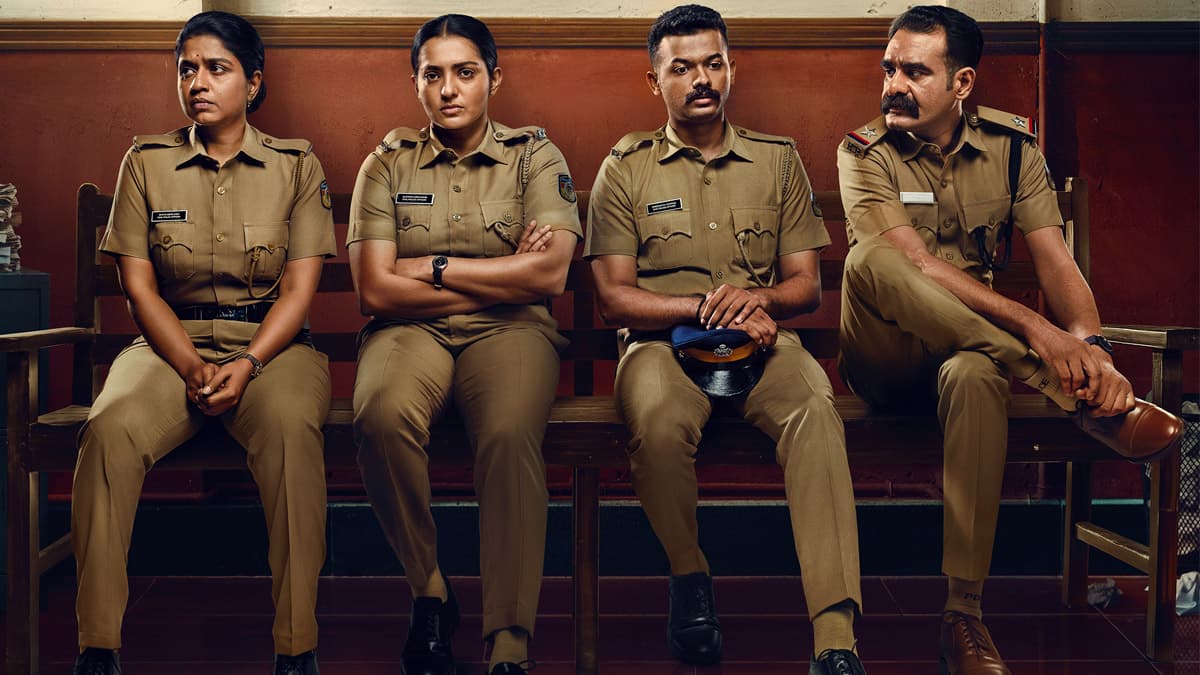
Both movies bring together notable talent. Daayra stars Prithviraj Sukumaran alongside Kareena Kapoor Khan in a police‑investigative thriller. Vibe, an action‑comedy, features Kunal Kemmu, Sparsh Srivastava, Preity Zinta, and newcomer Vanshika Dhir. The distinct genres and the inventive opening credits illustrate how Indian filmmakers are increasingly blending narrative and meta‑references to engage audiences.