 Cinema Vines
Meghna Gulzar’s latest Hindi film, Daayra, arrives at a time when the public is increasingly drawn to the promise of instant, extra‑judicial retribution. The story is a pointed critique of the “encounter” culture that has long been normalized in Bollywood police dramas, and it is heavily inspired by the 2019 Hyderabad incident in which police were accused of staging a shoot‑out to eliminate four suspects.
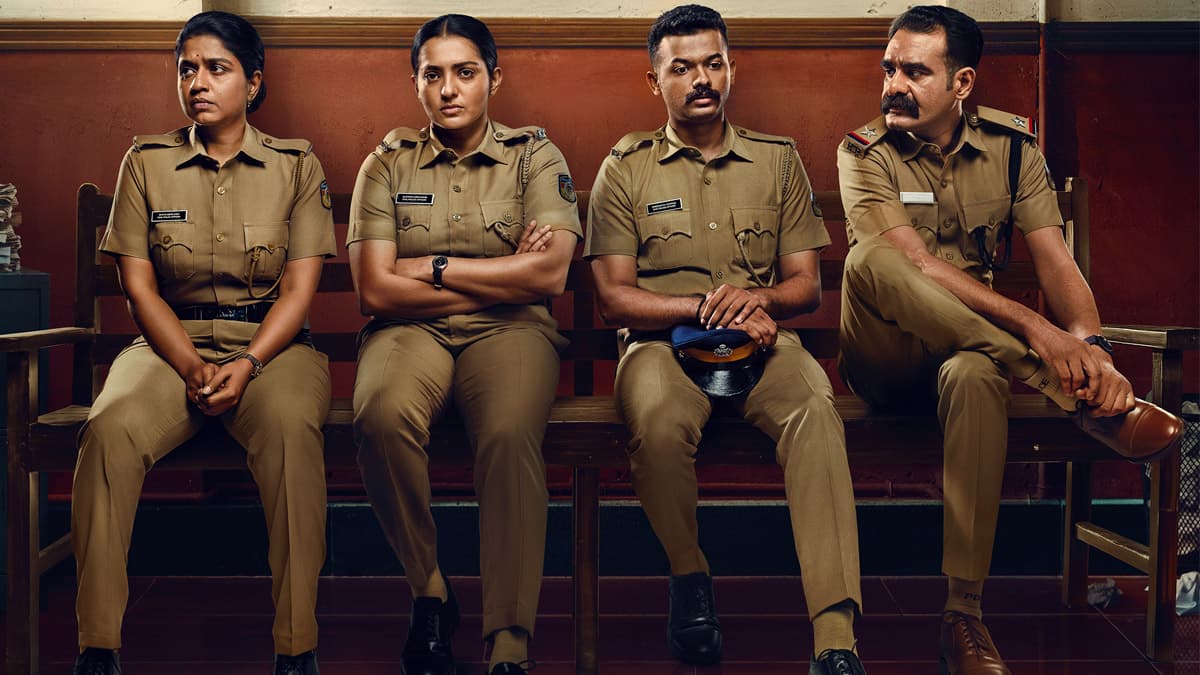
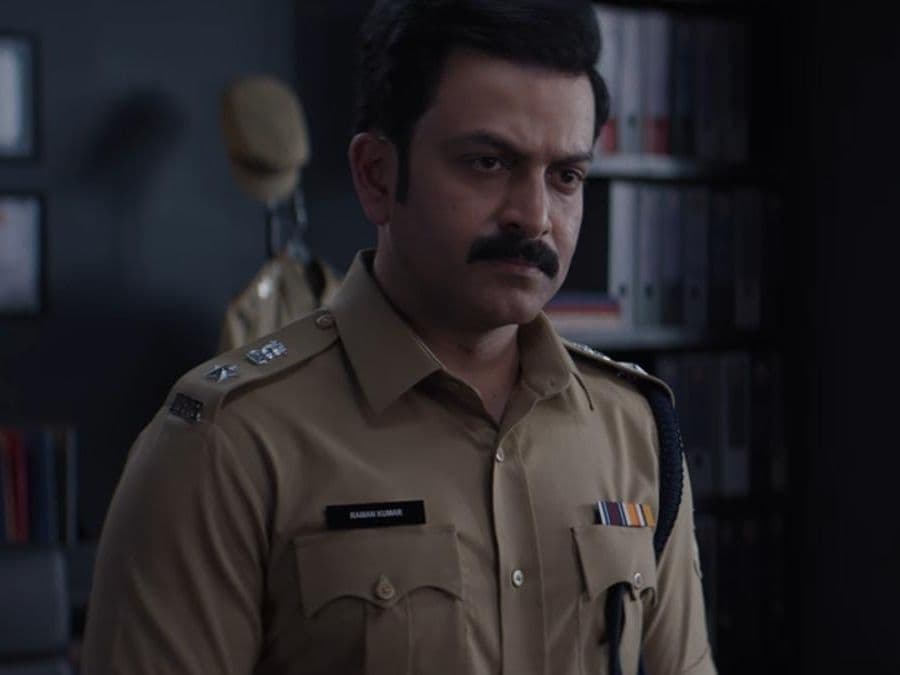
The plot centers on a brutal assault on a young girl that leads DCP Raman Kumar, played by Prithviraj Sukumaran, to deliver a swift, lethal “encounter” against the perpetrators. The act is presented as a desperate act of self‑defence, and the public erupts in euphoria. However, when the Human Rights Commission takes notice, the state launches an internal probe led by DCP Ajooni Kohli, portrayed by Kareena Kapoor Khan. The film sets up a moral dilemma between the slow, procedural wheels of institutional justice and the immediate catharsis of police‑run vigilantism.
Gulzar, who has a knack for balancing objective reportage with cinematic drama, adopts a clinical, almost journalistic tone. She lays out the flaws of the justice system, showing how privileged offenders receive preferential treatment while the less privileged languish behind bars. The narrative also highlights how social status, wealth, and legal resources influence the speed and severity of police action, with a scene showing a police officer serving avocado toast to an inmate who is receiving spa treatment in a cell.
The film does not shy away from exposing the darker side of the system. It points out how jurisdictional disputes and stereotypes about young working women can delay police response, and how the expansion of expressways with inadequate CCTV coverage has left vulnerable scooter riders exposed to roadside crime. By drawing parallels with the juvenile offender in the Nirbhaya case, Gulzar confronts the faults in the juvenile justice system.
With a runtime of 143 minutes, Daayra features a strong cast including Prithviraj Sukumaran, Kareena Kapoor Khan, Jitendra Joshi, Kshitee Jog, and Kanwaljeet Singh. The film’s structure is deliberate, presenting competing viewpoints with near‑journalistic detachment, and it refuses to offer easy moral absolutes. Instead, it probes the terrifying gray area where the line between justice and vengeance blurs, forcing viewers to confront the reality of instant retribution in contemporary India.