 Cinema Vines
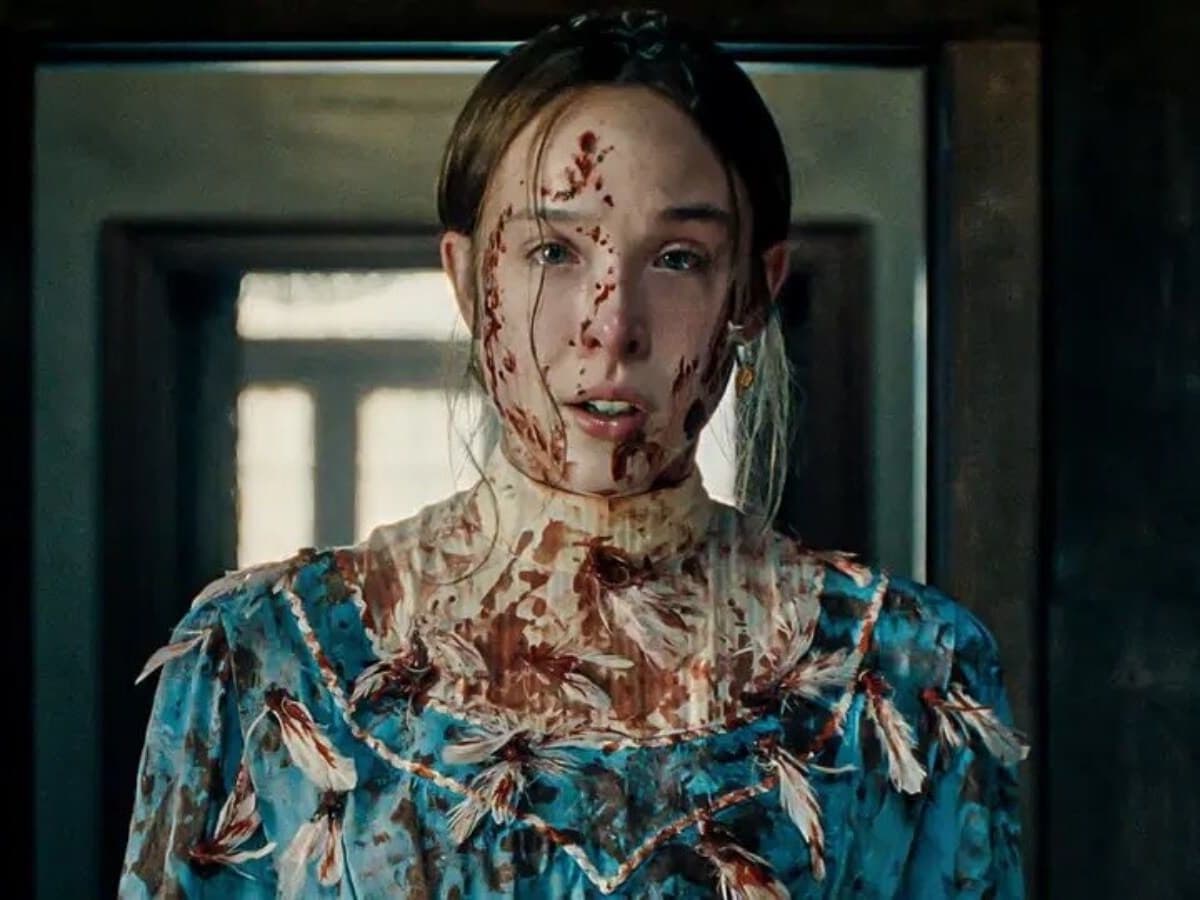
Netflix’s new drama “Monster: The Lizzie Borden Story” has sparked a fresh debate over the food served in the Borden household, as a celeriac soup scene has drawn criticism from viewers who question its historical accuracy. The series, which premiered on September 17, stars Ella Beatty as Lizzie Borden, Charlie Hunnam as her father Andrew Borden, and Rebecca Hall as stepmother Abby. While Netflix markets the show as a fictionalized interpretation of the 1892 axe murders, the celeriac soup scene has become a focal point for those who want to know what the family actually ate.
The scene appears early in the series. A servant is shown preparing a potato‑leek soup instead of the requested celeriac soup, and the family’s meal is discussed in a tense exchange. In reality, surviving records from the Borden household and the 1893 trial give a clearer picture of the family’s diet on the day of the murders. According to testimony from Bridget Sullivan, the Borden family’s live‑in maid, the meal planned for that day was soup and cold mutton, with potatoes in the soup. Sullivan testified that the soup was to be warmed up, while the mutton had already been cooked.
Food played a significant role in the days leading up to the killings. Two days before Andrew and Abby Borden were murdered, the couple fell ill after eating leftover swordfish. Andrew’s brother‑in‑law John Morse and maid Bridget Sullivan also became sick. Abby consulted a doctor and expressed concern that someone might have poisoned the family. The illness later became part of the suspicion surrounding Lizzie. Historical accounts also note that the household became sick again after eating mutton stew, and a local druggist testified that Lizzie had attempted to obtain prussic acid, a poisonous chemical, shortly before the murders, claiming she wanted it for a sealskin cape.
Netflix takes that historical episode and reworks it dramatically. In the series, Lizzie and Bridget are shown deliberately attempting to poison Andrew and Abby. The show uses oysters instead of the swordfish and mutton linked to the real‑life illness, turning the dinner into an intentionally grotesque sequence involving vomiting and diarrhea. This creative choice has led many viewers to question whether the show is distorting the facts for dramatic effect.
While Netflix insists that the drama is a fictionalized interpretation built around details from the historical record, the celeriac soup scene has become a point of contention for history buffs and casual viewers alike. The debate highlights how modern media can reshape public perception of historical events, especially when creative liberties are taken with seemingly minor details such as a family meal.