 Cinema Vines
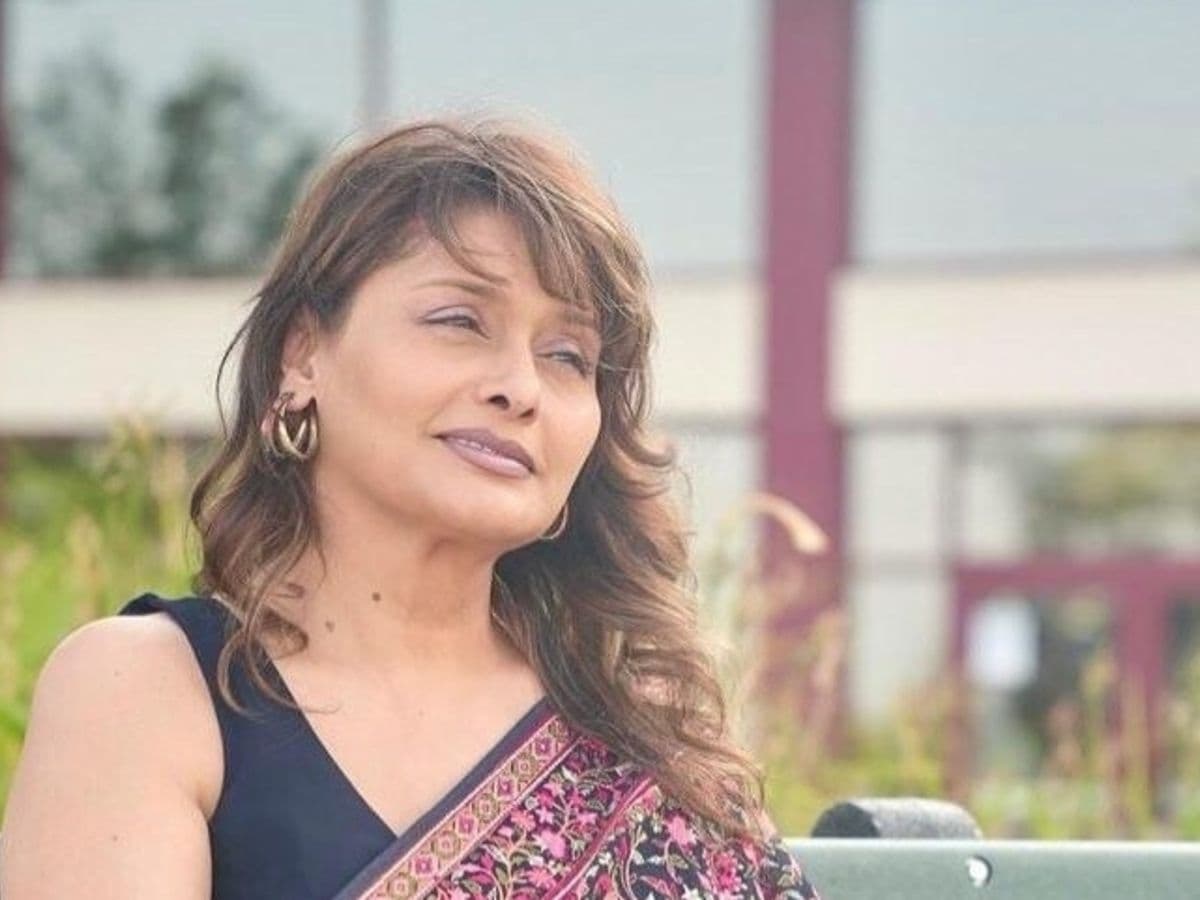
The Central Board of Film Certification (CBFC) has unveiled a set of revised film‑certification guidelines on September 16, reigniting the debate over artistic freedom in Indian cinema. As the newly constituted board begins its term, actor‑filmmaker Pallavi Joshi, a member of the CBFC, has made it clear that she does not intend to impose restrictions on creative expression. “I am personally against any kind of restrictions on art and expression,” Joshi said, adding that she does not want to be told what she should or should not do as an artist, performer or filmmaker while serving on the board.
Joshi also acknowledged that new frameworks often reveal gaps once they are applied in practice. “Anytime any new law is put in place, as you go forward, you realise that there are loopholes in it and it needs to be amended in certain ways,” she explained. “You see a lot of changes happening over the course of time until the law becomes comfortable for everyone. And I think we hope to achieve that with the given guidelines. We hope to come to a place where art and expression is not curbed. At least I would like to reach there,” she added.
In her view, art should challenge audiences rather than merely entertain them. “I think art is a medium which should disturb people. It is not just song and dance. It has to be romance also. It has to be biopics also. It has to be thought‑provoking also. It has to give you a jolt sometimes. Sometimes it has to slap you awake from your slumber,” Joshi said, emphasizing that artistic expression can take many forms and should not be limited by any restriction.
The updated CBFC guidelines retain the core structure of the 1991 framework but introduce new provisions such as drug‑related warnings and age‑based markers. The newly constituted board has not yet convened its first meeting, and Joshi noted that members are still deliberating on how they will approach the revised framework.