 Cinema Vines
Mani Ratnam, a towering figure in Indian cinema, has long been celebrated for his distinctive storytelling, striking visuals and memorable music. Yet his most recent releases have sparked a debate over whether his signature style still resonates with contemporary audiences. The discussion gained fresh momentum after reports surfaced that the veteran director may team up again with superstar Suriya, a collaboration that could mark a significant milestone in the actor’s career.
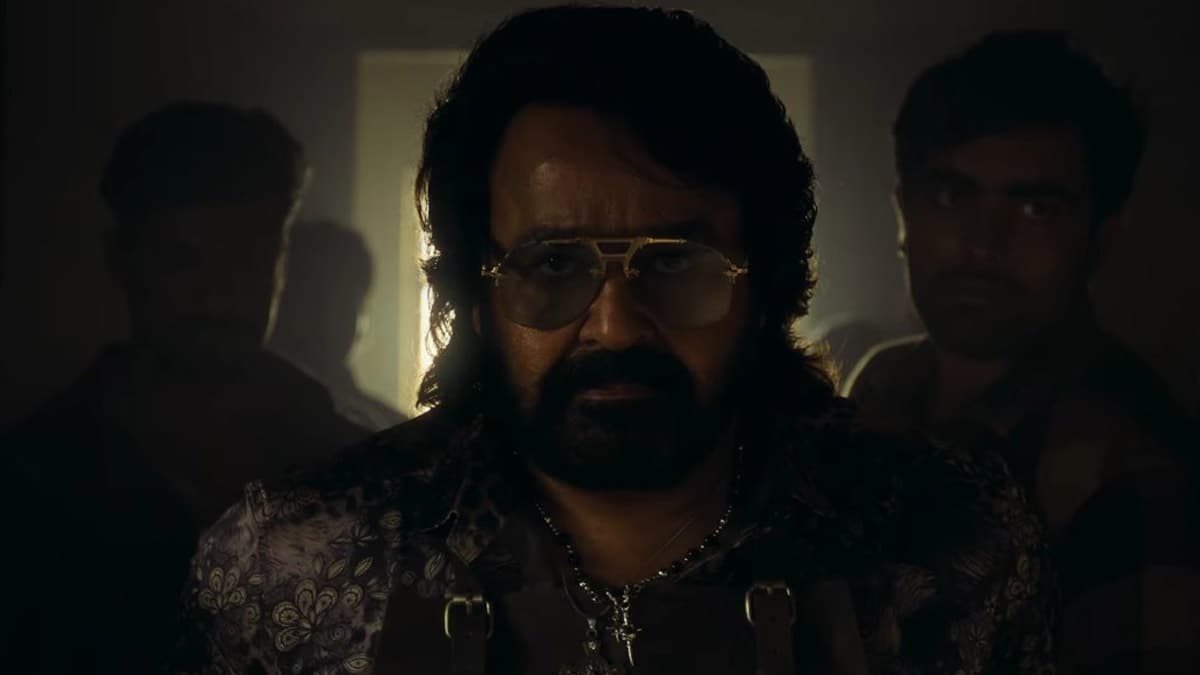
According to the ongoing buzz, Mani Ratnam had shared a story idea with Suriya about eight years ago and is now reportedly revising the script. If the project proceeds, it would become one of the few films in which the two creative forces converge. However, not all fans are enthusiastic. Some argue that Ratnam’s filmmaking approach feels rooted in an earlier era, pointing to the mixed reception of his recent film “Thug Life” as evidence that he may struggle to deliver a major commercial hit in today’s market.
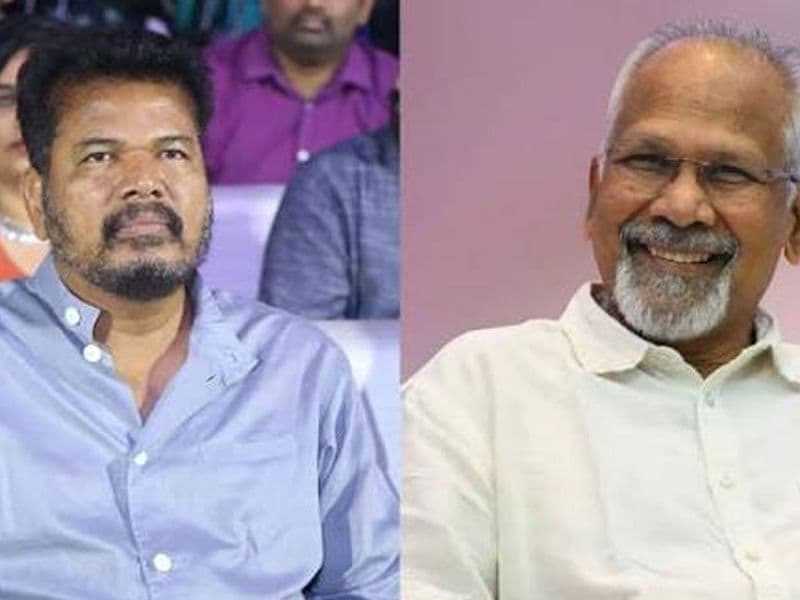
The conversation extends beyond the potential pairing and raises a broader question about senior directors in Tamil cinema. Visionaries such as Shankar and Mani Ratnam once dominated the box office with blockbusters that defined generations. Yet the cinematic landscape has evolved rapidly—audience expectations, narrative structures, technology and marketing strategies have all shifted. Experienced filmmakers now face the challenge of blending their hallmark techniques with the tastes of a younger, more discerning viewership.
While a director’s past strengths can still offer value, relying on the same methods without adaptation risks rendering a film stale for modern audiences. Conversely, it would be unfair to judge the outcome of a film before it is made. Mani Ratnam’s reputation remains robust, and the fact that actors continue to seek collaborations with him underscores his enduring creative influence.
At this stage, the proposed Suriya‑Mani Ratnam project remains speculative, with no official confirmation yet. Should the partnership materialize, the true test will lie in the story’s relevance, the execution of the vision, and how effectively the film connects with today’s moviegoers. The larger question persists: can Mani Ratnam craft another film that marries his classic filmmaking strengths with the expectations of a new generation?