 Cinema Vines
After last year’s Homebound earned India an official Oscar entry, the Film Federation of India (FFI) has turned its attention to Santosh Davakhar’s moody folk‑thriller Gondhal. Selected from 33 submissions that also included Sriram Raghavan’s Ikkis, Aditya Dhar’s Dhurandhar, Yami Gautam’s Haq, Imtiaz Ali’s Main Vaapas Aaunga and Karthik Subbaraj’s Dorothy, the Marathi feature stands out for its single‑night narrative and cultural depth.
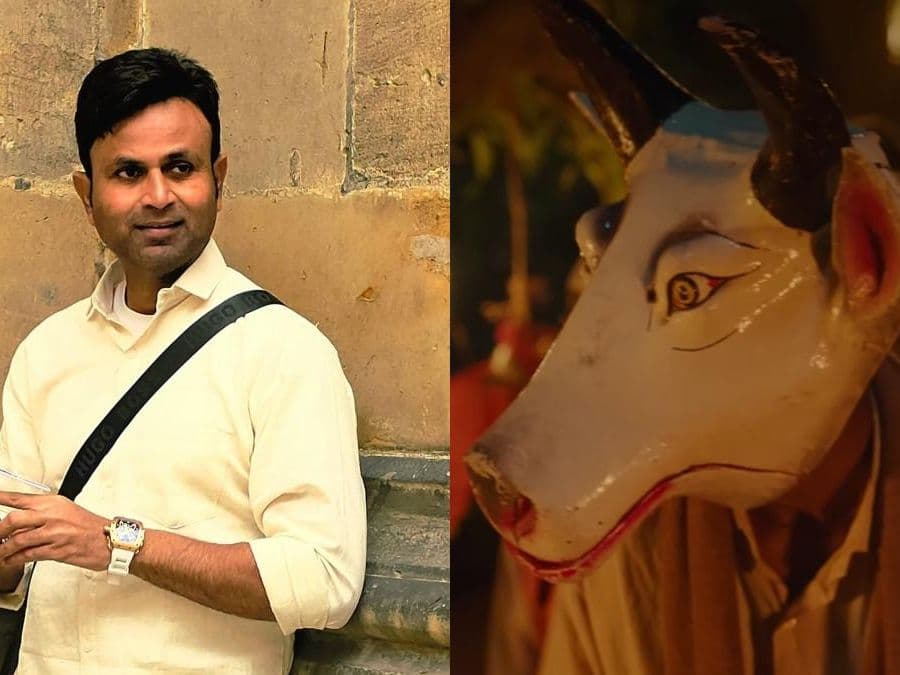
Davakhar, who wrote, directed and produced the film, says the story unfolds in a Maharashtrian village during a traditional night‑long performance for a newlywed couple. The celebratory atmosphere quickly turns tense as the bride, in collusion with her lover, plots to escape a forced marriage. The plot twists after the interval, adding a Shakespearean layer of complexity that the director believes will resonate with international audiences.
“We made the film to appeal to an international audience, and we knew that it would stand out,” Davakhar told reporters. He added that the team deliberately avoided selling the film to any OTT platform, opting instead for a theatrical experience that could showcase its unique one‑take opening sequence and cultural authenticity.
The director revealed that the idea for Gondhal struck him while attending international film festivals with his short films. He noted a common perception that Indian cinema focuses on poverty and oppression, and he wanted to present India’s rich heritage in a cinematic language that defies that stereotype.
Opening with a 25‑minute long one‑take scene that introduces the world and its characters, Davakhar originally intended to shoot the entire film in a single take, inspired by movies like Roma, 1917 and Birdman. However, the presence of multiple characters made a complete one‑take impossible, so the film blends continuous storytelling with necessary cuts.
With Gondhal now chosen as India’s official Oscar entry, Davakhar plans a theatrical re‑release in the coming month in five languages. The film also boasts a soundtrack by maestro Ilaiyaraaja, marking his third Marathi credit after Hello Jai Hind! (2014) and Touring Talkies. It is the first Marathi feature in 11 years to receive this honour, following Chaitanya Tamhane’s Court (2015), and the fourth Marathi film overall to be submitted for the Academy Awards after Shwaas (2005) and Harishchandrachi Factory (2009).