 Cinema Vines
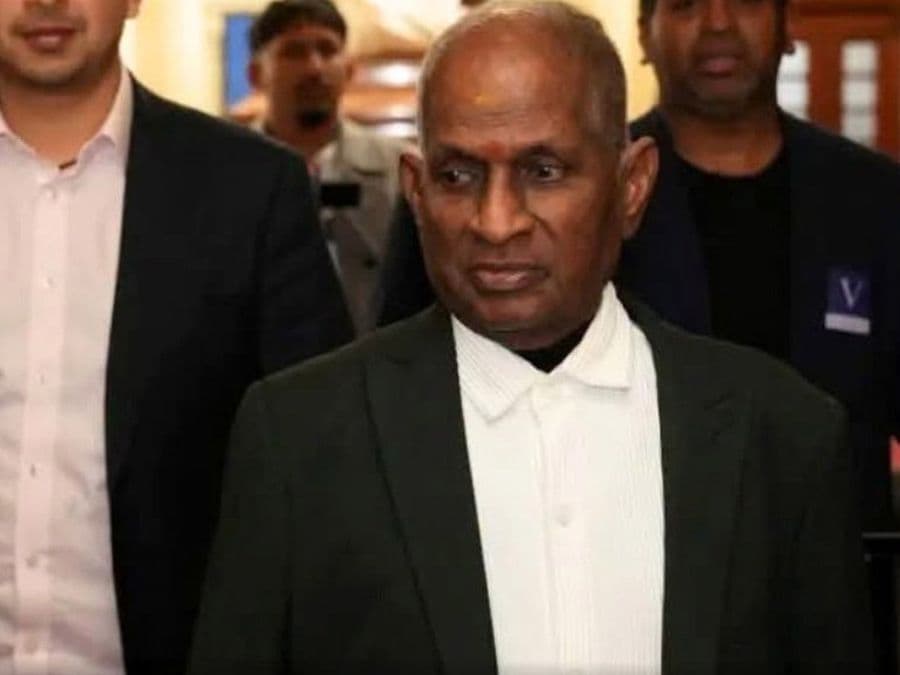
Raghubir Yadav, a veteran actor celebrated for his amiable, everyman roles, has stunned fans by stepping into a villainous role in the forthcoming JioHotstar series Hunkkaar. The show, created by Karan D. Kapadia and Nitya Mehra, boasts a star‑studded ensemble that includes Fatima Sana Shaikh, Aneet Padda, Mohammed Zeeshan Ayub and Ram Kapoor. Yet it was Yadav’s casting as a self‑proclaimed godman accused of sexual assault that captured the public’s attention when the trailer was released.
In an interview with the Hindustan Times, Kapadia and Mehra explained their rationale for choosing Yadav. They said the series is not merely about confronting a godman but about challenging anyone who wields reverence and power to silence victims. “It’s about standing up against a person who has infinite resources and influence,” Kapadia told the paper, highlighting the show’s intent to expose the abuse of authority that has become all too common in society.
Mehra echoed this sentiment, noting that the “godman” in the series symbolizes a broader class of powerful figures. She added that the writers have found a unique way to tell this story, distinguishing it from previous crime dramas that focus on similar themes.
Another focal point of the discussion was the portrayal of Fatima Sana Shaikh’s character, a female cop. With the surge of crime dramas on streaming platforms, the trope of the “female cop” has become predictable. Kapadia emphasized that the character is simply a cop first, not a gendered archetype. He said the writers aimed to give her a razor‑sharp investigative focus, a commitment to the victim’s narrative, and a role as the emotional backbone of the family, thereby sidestepping typical tropes about women in law enforcement.
Mehra, too, spoke about her own experience with labels. She expressed a desire to be recognized simply as a director rather than a “good female director,” a perspective that informs how she crafts characters. The creators of Hunkkaar aim to deliver a fresh take on crime drama that challenges conventional storytelling while spotlighting the real‑world implications of power and abuse.