 Cinema Vines
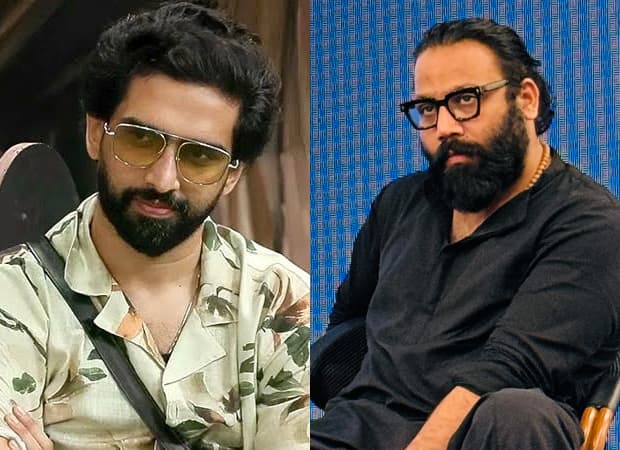
Indian singer‑composer Amaal Mallik has weighed in on the debate about whether violent films can inspire real‑world aggression, following a shocking chainsaw attack on a tenth‑grade student in Andhra Pradesh. The incident, which took place on 23 October 2023, involved 21‑year‑old Hemanth, who used an electric chainsaw to stab the student after she rejected his advances. The attack has sparked a national conversation about the influence of cinema on young audiences.
In a statement posted to X (formerly Twitter) on 24 October, Mallik acknowledged that movies and music can shape the minds of youth, but insisted that the responsibility for violent actions lies with the individual, not the medium. He wrote, “I understand why people are concerned. Films and music can influence young people, and some kids copy what they see. Filmmakers should think about how they show violence. But cinema alone cannot be blamed for someone’s actions.”
The composer highlighted a range of factors that contribute to violent behaviour, citing family values, upbringing, the political climate, personal experiences and one’s own thought processes. He stressed that none of these elements can justify violence, adding a strong condemnation of the Andhra Pradesh attack: “I would never support anyone going into a school, college or any other place to kill someone with a chainsaw. It is horrifying and completely wrong.”
While addressing the criticism that films by director Sandeep Reddy Vanga—known for titles such as “Animal,” “Kabir Singh,” “Dhurandhar” and “KGF”—might have influenced the assailant, Mallik clarified that he himself has enjoyed these movies but has also found certain scenes problematic. He urged audiences to remember that films are fictional stories and that viewers should not imitate on‑screen actions. He added that if moral policing had existed in the 1970s, 80s and 90s, older films would have faced similar scrutiny.
Mallik’s comments arrive amid a broader discussion about the role of entertainment in shaping societal norms. He calls for a nuanced conversation that considers both the creative freedom of filmmakers and the complex social factors that drive violent conduct, while unequivocally condemning the tragic incident in Andhra Pradesh.