 Cinema Vines
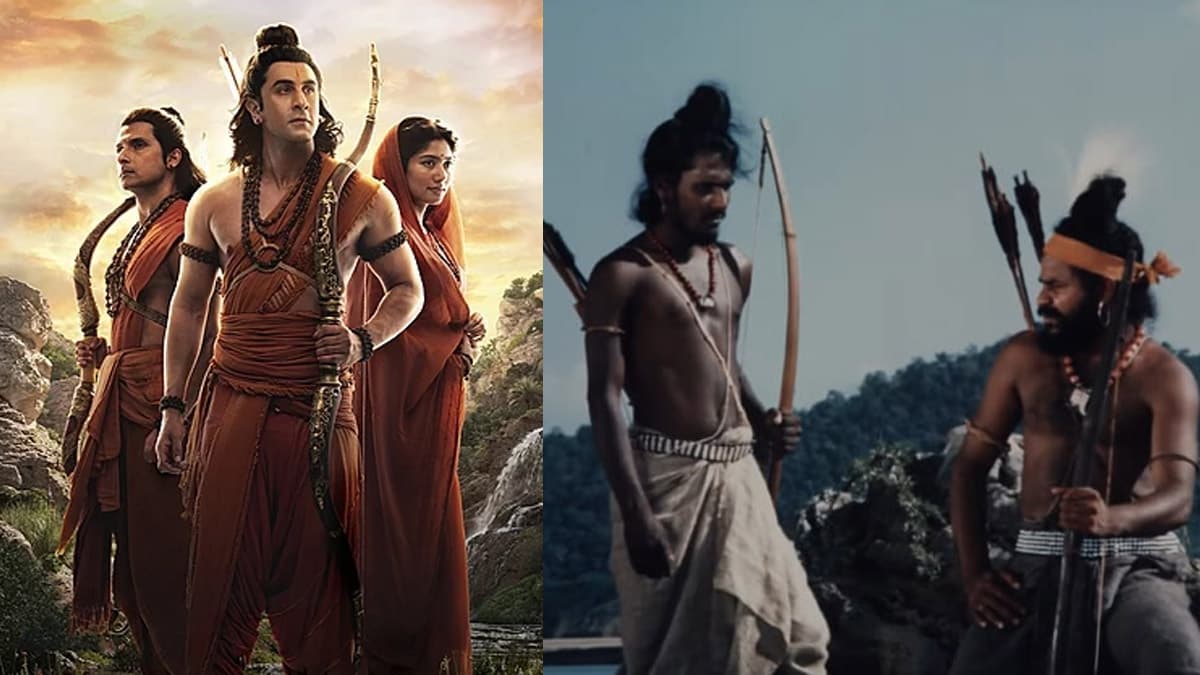
In the wake of Christopher Nolan’s 2022 release of The Odyssey, which revived interest in Homer’s epic, Indian cinema has turned its gaze to the Ramayana. While the 2023 blockbuster Ramayana: Part 1 by Namit Malhotra and Nitesh Tiwari dazzles with scale, visual effects and a star‑studded cast, a quieter, more philosophical film from the 1970s offers a starkly different take. G. Aravindan’s 1977 Malayalam feature Kanchana Sita, based on C. N. Sreekantan Nair’s 1961 play, re‑examines the epic’s Uttara Kanda, the section that follows Rama’s return to Ayodhya.
Aravindan’s film departs from conventional mythological storytelling by eschewing spectacle. It relies on natural landscapes, non‑professional actors, restrained performances and sparse dialogue to explore the moral dilemmas that arise when Rama sends Sita away after her captivity in Ravana’s hands. The narrative centers on Rama’s dual role as king and husband, and the tension between duty to the realm and personal grief.
Perhaps the most striking creative decision is the complete absence of a visible Sita. Though the title and plot revolve around her, the character never appears on screen. Instead, the film conveys her presence through nature—forests, rivers, light and movement—making the environment itself a surrogate for the woman who is central to the story’s emotional core.
Aravindan’s approach contrasts sharply with the contemporary trend of grand, action‑driven mythological adaptations. By focusing on philosophical inquiry and the consequences of leadership, Kanchana Sita occupies a unique place in Malayalam cinema’s engagement with epic narratives, offering a contemplative alternative to the spectacle‑driven renditions that dominate today’s screens.