 Cinema Vines
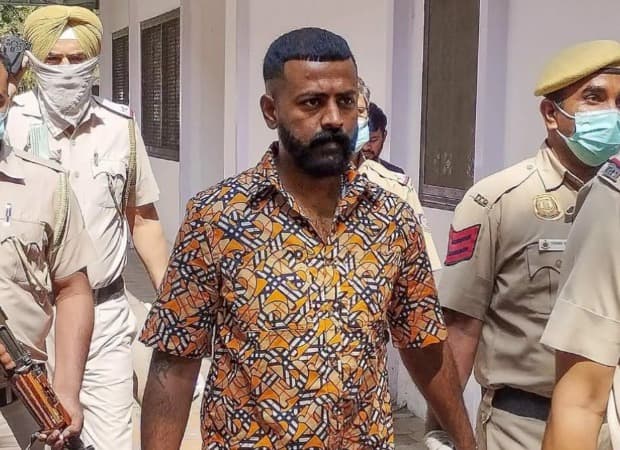
The Ministry of Information and Broadcasting has formally asked Netflix to respond to concerns raised about the upcoming documentary Love, Scam aur Dhokha: The Sukesh Chandrashekhar Story, which is slated to premiere on December 18, 2026. The request came after a representation was filed on behalf of Sukesh Chandrashekhar, who is currently in judicial custody at Mandoli Jail in Delhi, and who has expressed objections to the film’s release while criminal proceedings against him remain pending.
On November 27, 2026, the Ministry forwarded the representation submitted by Advocate Anant Malik to Netflix Entertainment Services India. In the letter, identified by reference number J-11013/19/2025-DM, the ministry cited the Information Technology (Intermediary Guidelines and Digital Media Ethics Code) Rules, 2021, and other applicable Indian laws. It also highlighted the Code of Ethics for digital news publishers and OTT platforms, which outlines a three‑tier grievance‑redress mechanism for violations of the prescribed framework.
The communication, signed by Kshitij Aggarwal, Deputy Director (Digital Media), and approved by the competent authority, urged Netflix to examine the issues raised and to provide a response within seven days of receiving the letter. The ministry emphasized that OTT platforms must not transmit content prohibited by law and must exercise due caution and discretion.
While the ministry’s latest letter does not order a postponement, cancellation, or removal of the documentary, it does seek Netflix’s comments on the representation. The legal team for Chandrashekhar had earlier issued a notice to Netflix and associated parties, demanding that the release be delayed until the prosecution’s evidence in the pending cases is fully examined. The notice raised concerns about the portrayal of allegations that have not yet been tested in court and the potential impact on the subject’s right to a fair trial.
The development comes amid growing scrutiny of how true‑crime documentaries depict individuals who are still facing ongoing criminal proceedings. The case highlights the tension between freedom of expression on digital platforms and the presumption of innocence and fair‑trial rights under Indian law.