 Cinema Vines
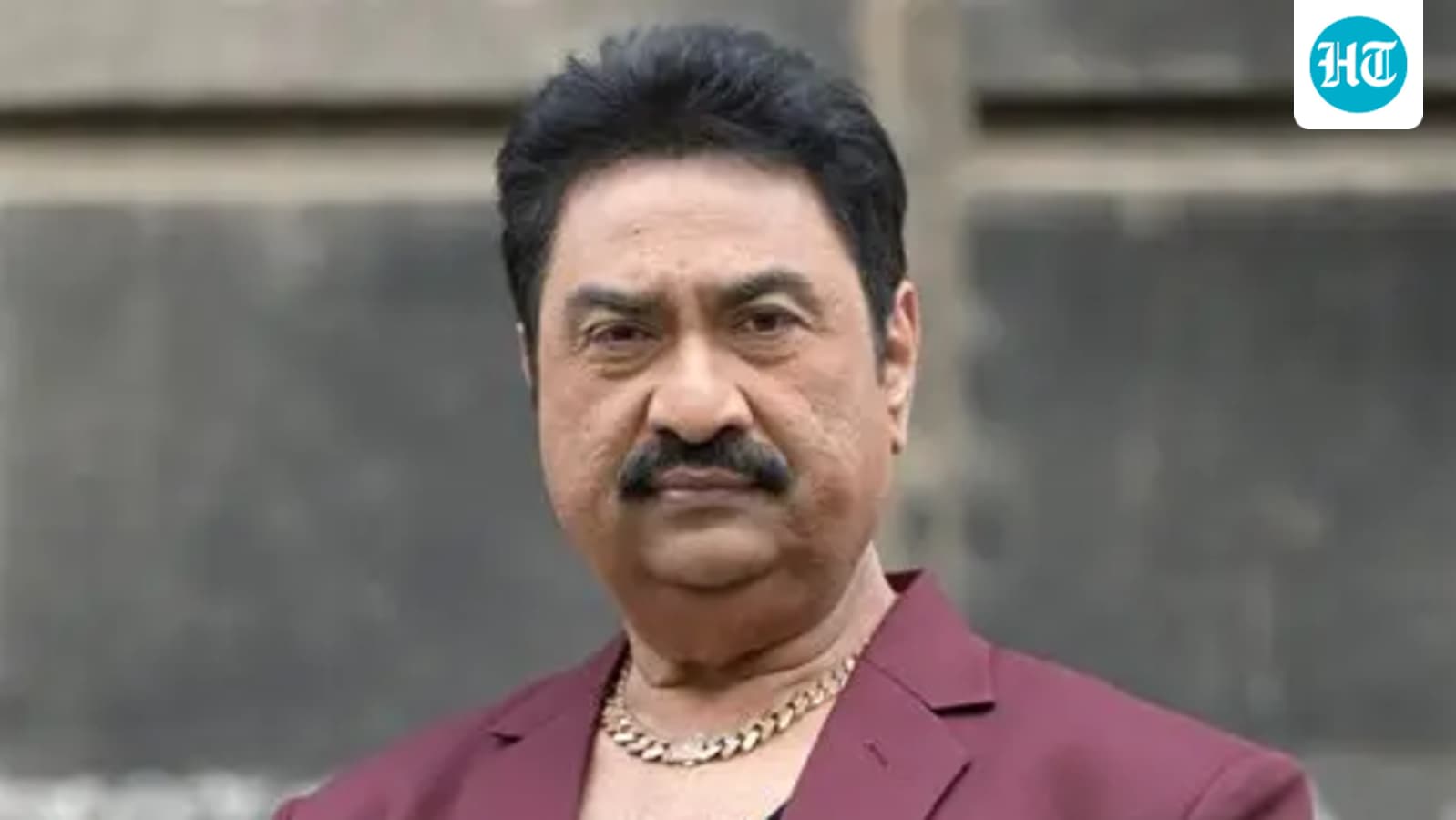
In a candid conversation with Zoom, veteran playback singer Kumar Sanu reflected on the choices he made while recording songs in the 1990s, a decade that was as celebrated for its romantic melodies as it was criticized for its occasional lapses into vulgarity. The legendary voice, who rose to fame with the 1990 hit film Aashiqui, explained that he had always tried to keep his repertoire clean, even though the industry at the time was not immune to less tasteful material.
When asked about the more questionable tracks that were popular during that era, Sanu acknowledged that the decade contained a mix of good and bad songs. He stated, “One of my principles was that I would not bring vulgarity into my songs. But there were one or two instances where I failed to stick to this because I was under such pressure that I felt I had to sing them, otherwise things would not work.” He added that the pressure came from the so‑called “movie mafia,” yet he insists that apart from a handful of songs, he has consistently avoided overtly vulgar content. “I have one or two such songs, like ‘Raj gaya tabla tabele mein…’, fall into this category. Apart from that, I have always avoided outright vulgar songs, as they are called, and I still do. I have stuck to this principle till today,” he said.
Despite admitting that he has suffered financial losses because of his stance, Sanu remains undeterred. He noted, “I may have suffered a lot of losses because of it, but I don’t mind.” The singer’s commitment to his moral code has become a defining feature of his legacy, which includes five consecutive Filmfare Awards for Best Male Playback Singer from 1991 to 1995.
Sanu’s career highlights include chart‑topping tracks from films such as Saajan, Sadak, Deewana, Baazigar, 1942: A Love Story and Raja Hindustani. His most recent release is the Independence Day single “Aye Mere Watan,” written by Ahmed Siddique and composed by Raja Ali, which he shared on Instagram with the caption, “kuch gaane gaye nahi jaate, jiye jaate hain (Some songs are not meant to be sung; they are meant to be lived).”
Through his interview, Kumar Sanu reaffirms that his artistic choices were guided by a steadfast principle: to keep his voice free from vulgarity, even when faced with industry pressure, and to continue honoring that standard today.