Cinema Vines
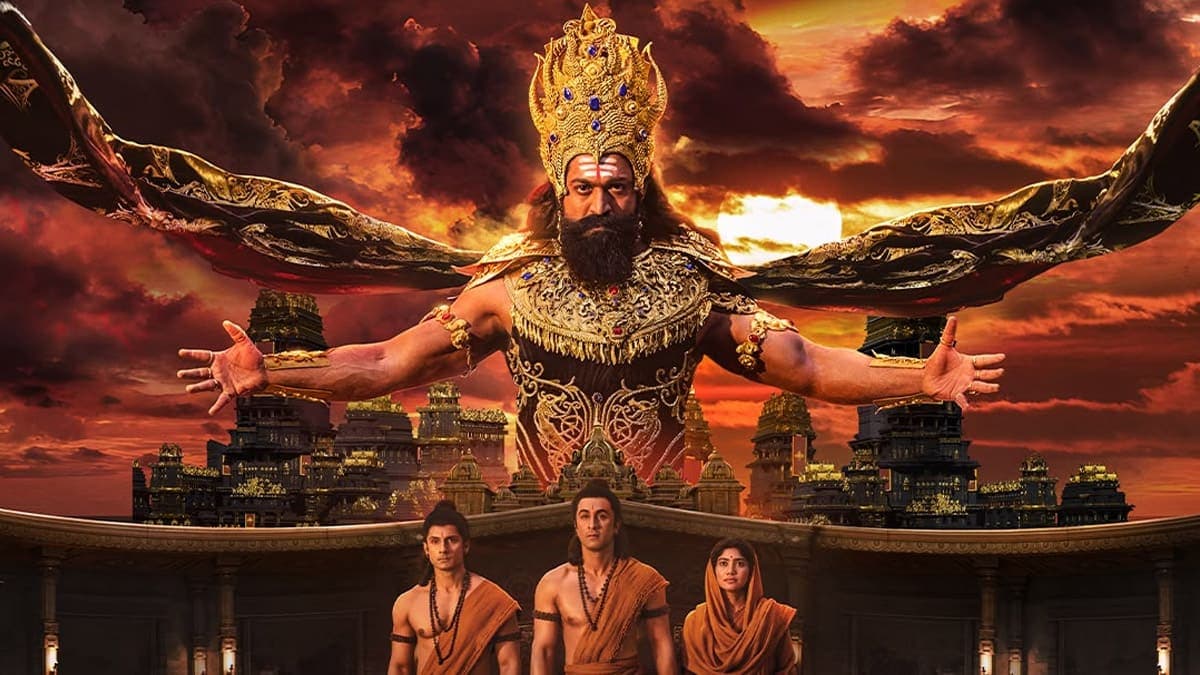
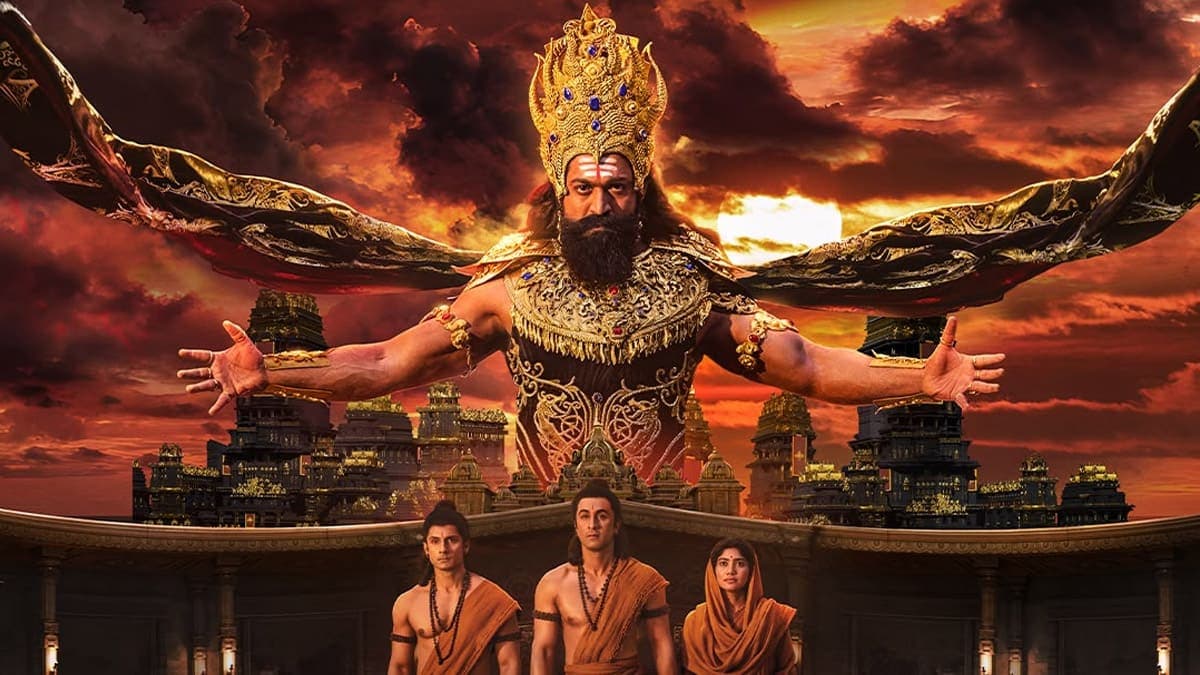
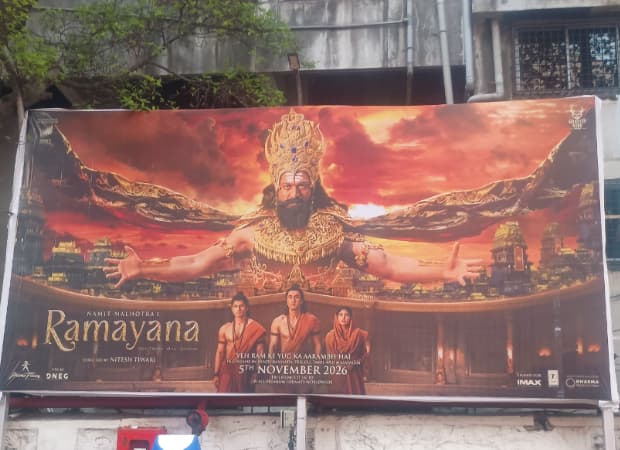
The recent trailer for Nitesh Tiwari’s epic film Ramayana, featuring Ranbir Kapoor, Sai Pallavi, and Yash, has stirred a wave of conversation online. While many praised the film’s visual grandeur and star power, a section of viewers took issue with the costumes, particularly Sai Pallavi’s portrayal of Sita and Lara Dutta’s rendition of Kaikeyi.
Critics of Sai Pallavi’s look focused on the blouses worn by the actress, arguing that they diverged from traditional depictions of the goddess. In response, costume designer Rimple clarified that the design was a personal interpretation rooted in the designer’s own memories of worshipping Sita. “When I close my eyes and think of Goddess Sita, I don’t think about archaeological authenticity,” Rimple told The Times of India. “I wanted my Goddess, the one sitting in my mandir, to look like the image that has lived in my consciousness.” She added that no surviving garments from the Treta Yuga could serve as a reference, so the team drew inspiration from centuries of artistic renderings, including miniature paintings, temple murals, and Raja Ravi Varma’s illustrations.
Lara Dutta’s Kaikeyi costume also drew fire, with many social‑media users noting similarities to outfits seen on television mythological shows. Harpreet Narulah, the other costume designer, defended the choice by explaining that every detail—from colour to border work—was deliberately chosen to reflect Kaikeyi’s emotional journey. “The green in her costume represents motherhood, while the deep maroon reflects the emotional strength and darkness of the decision she had to make,” Narulah said. He emphasized that Kaikeyi’s inner conflict between her son and Rama was a key narrative element that the costume sought to convey.
Both designers acknowledged that the Ramayana holds a special place in the collective consciousness of many generations, and that any portrayal of its characters is bound to spark debate. Rimple admitted that while they had anticipated strong opinions, they did not expect the level of negativity that followed the trailer’s release. “We always knew something like this would happen,” she said, noting that the epic’s enduring legacy inevitably invites discussion about casting, costumes, and visual effects.
Despite the backlash, the designers stand by their creative choices, asserting that their interpretations aim to honor the spirit of the epic rather than replicate historical accuracy. As the film’s release approaches, the conversation around its costumes is likely to continue, reflecting the broader cultural dialogue about how ancient stories are reimagined for contemporary audiences.