Cinema Vines
The debate over music royalties in India has taken another turn as composer‑singer Amaal Mallik responded to the recent Saiyaara royalty dispute involving Tanishk Bagchi and Yash Raj Films. Mallik’s cryptic social media post, which did not name any party, was widely interpreted as a commentary on the broader industry conversation that has been ongoing for years.
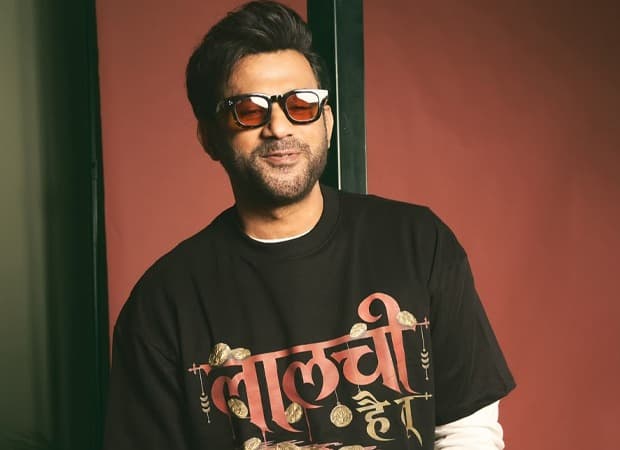
In a selfie accompanied by the caption, “People in the music industry waking up 10 years too late. Where were you in 2015 when I was fighting the system alone :)”, Mallik alluded to his own long‑standing struggle for fair compensation. The timing of the post coincided with the fresh wave of discussions about royalty payments and the need for equitable remuneration for music creators.
Earlier this year, in March, Mallik had spoken publicly about the challenges faced by artists in India’s royalty system, which was introduced in 2020 following lyricist Javed Akhtar’s campaign. He explained that while actors often receive the bulk of the credit for a song’s popularity, the real contributors—lyricists, composers, directors, and singers—deserve greater recognition and long‑term rights. Mallik pointed out that Indian music producers still lack the ownership stakes that are common in Western markets.
To illustrate the disparity, Mallik recalled his 2015 hit “Sooraj Dooba Hai” from the film Roy, starring Ranbir Kapoor. He revealed that he was paid ₹8 lakh for the track, an amount that also covered production costs. The song reportedly earned around ₹65 crore a few years ago, with lifetime revenue now exceeding ₹100 crore. Yet, Mallik estimated that the collective share of the creators was only ₹15–20 lakh, after accounting for studio, engineering and other expenses. His personal take from the hit was a modest ₹75,000 to ₹1.5 lakh.
In the Saiyaara controversy, composer Tanishk Bagchi claimed on Instagram that he was still awaiting payment for the title track, sparking a broader debate about royalty disbursement. Mallik’s remarks, though not directly naming Bagchi, underscored the systemic issues that have long plagued the Indian music industry.