Cinema Vines
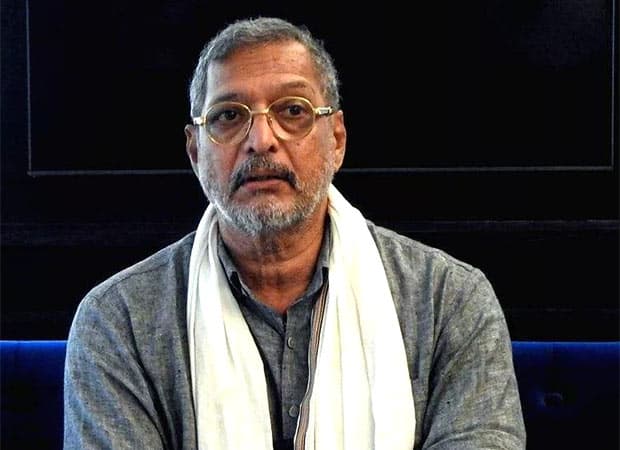
Veteran actor and filmmaker Amol Palekar has publicly backed students protesting the alleged leak of the National Eligibility cum Entrance Test (NEET) paper, issuing an open letter that both praises the youth’s courage and offers practical assistance. In the letter, addressed to the demonstrators as “Dear brave students,” Palekar expresses solidarity with the movement that has taken to the streets of Delhi, demanding accountability and reforms in the education system.
Palekar’s message frames the protests as part of an ongoing democratic legacy, noting that each generation inherits the unfinished work of democracy. He draws on literary and historical references, citing Albert Camus’ play Caligula to illustrate how unchecked power can detach from moral responsibility, and he compares the current situation to global student movements such as the 1968 Paris protests, South Africa’s anti‑apartheid struggle, Tiananmen Square, and Gujarat’s Navnirman Andolan. He argues that attempts to silence young voices have always failed to crush the desire for freedom.
While praising the protesters, Palekar also condemns the police’s reported use of force. He describes the images of brutality as “deeply disturbing” and emphasizes that universities should be places where society learns to question itself. He warns that when questions are met with batons instead of reason, the state is diminished, not the students.
Palekar explains that he could not join the demonstrations in person due to his advancing age and a desire to keep the focus on the students. He stresses that the movement belongs to the youth and that “democratic movements derive their legitimacy from the courage of those at their centre, not from the visibility of those who stand beside them.”
Concluding his letter, the actor assures students that he and his wife, Sandhya, will continue to support them in every way possible. He offers legal, medical, and financial assistance within their means and encourages the protesters to remain hopeful, stating, “Today you may be called students. Tomorrow you will be known as the generation that chose courage over silence.”