 Cinema Vines
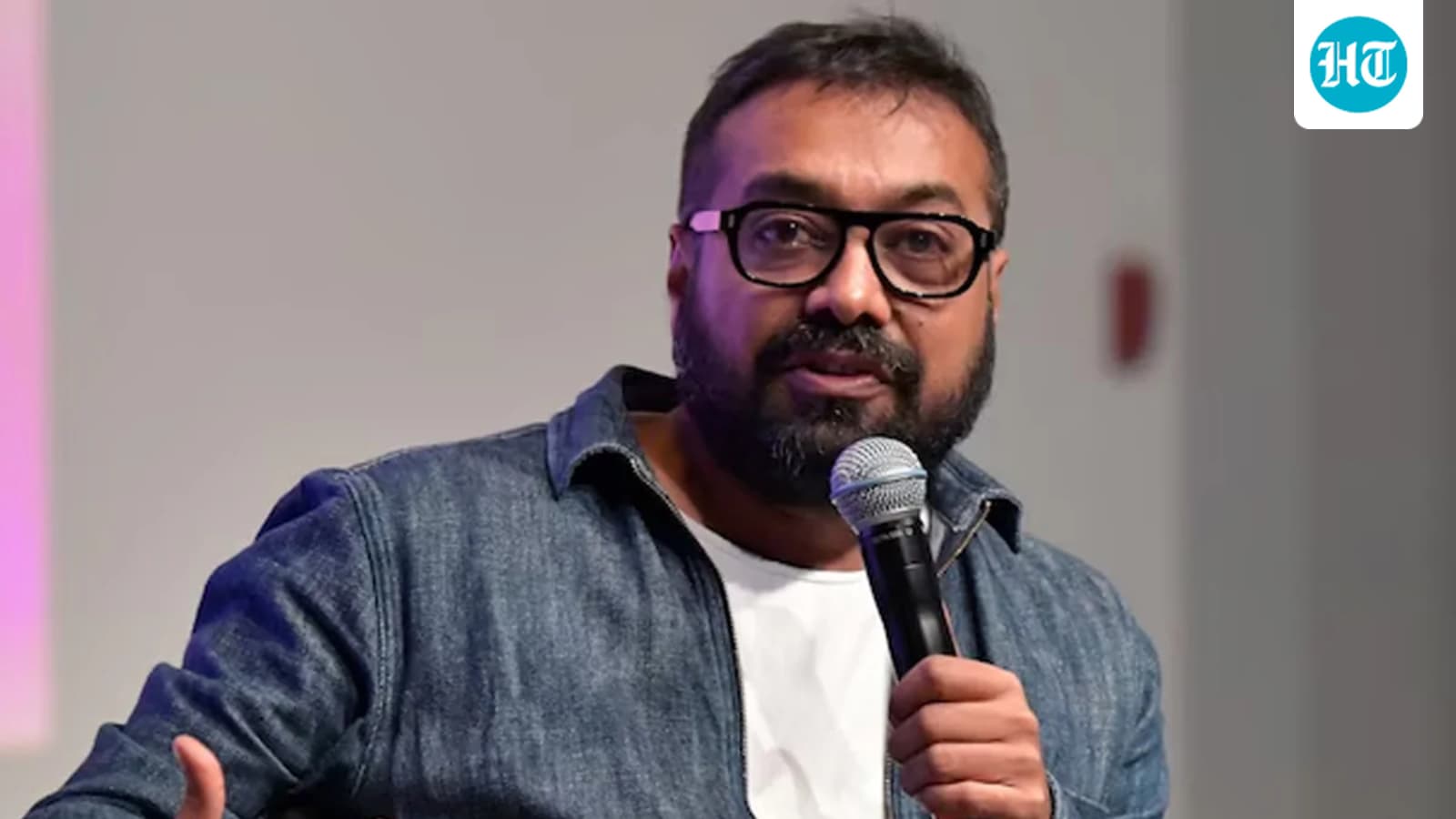
Acclaimed filmmaker Anurag Kashyap has long been vocal about the intense pressures within the Hindi film industry, and how easily it can succumb to demands from those in power. In a recent conversation, the director offered his perspective on the stark contrast between Bollywood and the South Indian film industry, suggesting that the latter is far less likely to compromise on its artistic vision.
Kashyap's comments come as no surprise, given his own experiences within the industry. He has often spoken out against the toxic atmosphere in Bollywood, where filmmakers are pressured to chase unrealistic targets and conform to the expectations of powerful producers and distributors. This, he argues, results in a lack of creative freedom and a stifling of innovation, as filmmakers feel compelled to compromise on their artistic vision in order to secure funding and box office success.
In his conversation with Janice Sequeira, Kashyap explained that the first compromise often sets a precedent for further concessions, which can be difficult to reverse. He likened this phenomenon to a door that once opened, cannot be shut, and suggested that many filmmakers in Bollywood are aware of the compromises they make, but feel powerless to resist the pressure to conform.
Kashyap also drew a distinction between the South Indian film industry, which he believes is less susceptible to the pressures of the Hindi-speaking market. Unlike Bollywood, which is driven by the desire to appeal to a vast and lucrative audience, the South Indian film industry is more regionally focused and less beholden to the whims of powerful producers and distributors. This, he argues, allows filmmakers in the South to maintain a greater degree of creative autonomy and artistic freedom.
As evidence of the South Indian film industry's relative independence, Kashyap pointed to his own recent film, Bandar, which was released to positive reviews but underperformed at the box office. Despite the commercial disappointment, the film was hailed as one of Kashyap's best works in years, and its critical success is a testament to the enduring power of the South Indian film industry's commitment to artistic vision.
Kashyap's comments are a stark reminder of the challenges faced by filmmakers in the Hindi film industry, where the pressure to conform to commercial expectations can be overwhelming. As the industry continues to evolve and adapt to changing market conditions, it remains to be seen whether filmmakers like Kashyap will be able to maintain their artistic vision in the face of intense commercial pressure.
With his recent comments, Kashyap has once again staked his claim as a vocal critic of the Hindi film industry's toxic culture, and a passionate advocate for the creative freedom of filmmakers. As the industry continues to grapple with the challenges of commercial success and artistic vision, Kashyap's words serve as a powerful reminder of the importance of preserving the integrity of the filmmaking process.