 Cinema Vines
In the past two months, Hindi cinema has delivered two significant releases that revisit India’s 1947 Partition from a human perspective rather than a purely political one. “Main Vaapas Aaunga” and “Batwara 1947” both focus on the personal cost of the separation of India and Pakistan, steering clear of the usual themes of hatred or violence. Instead, they explore love, hope, and the possibility of learning from history.
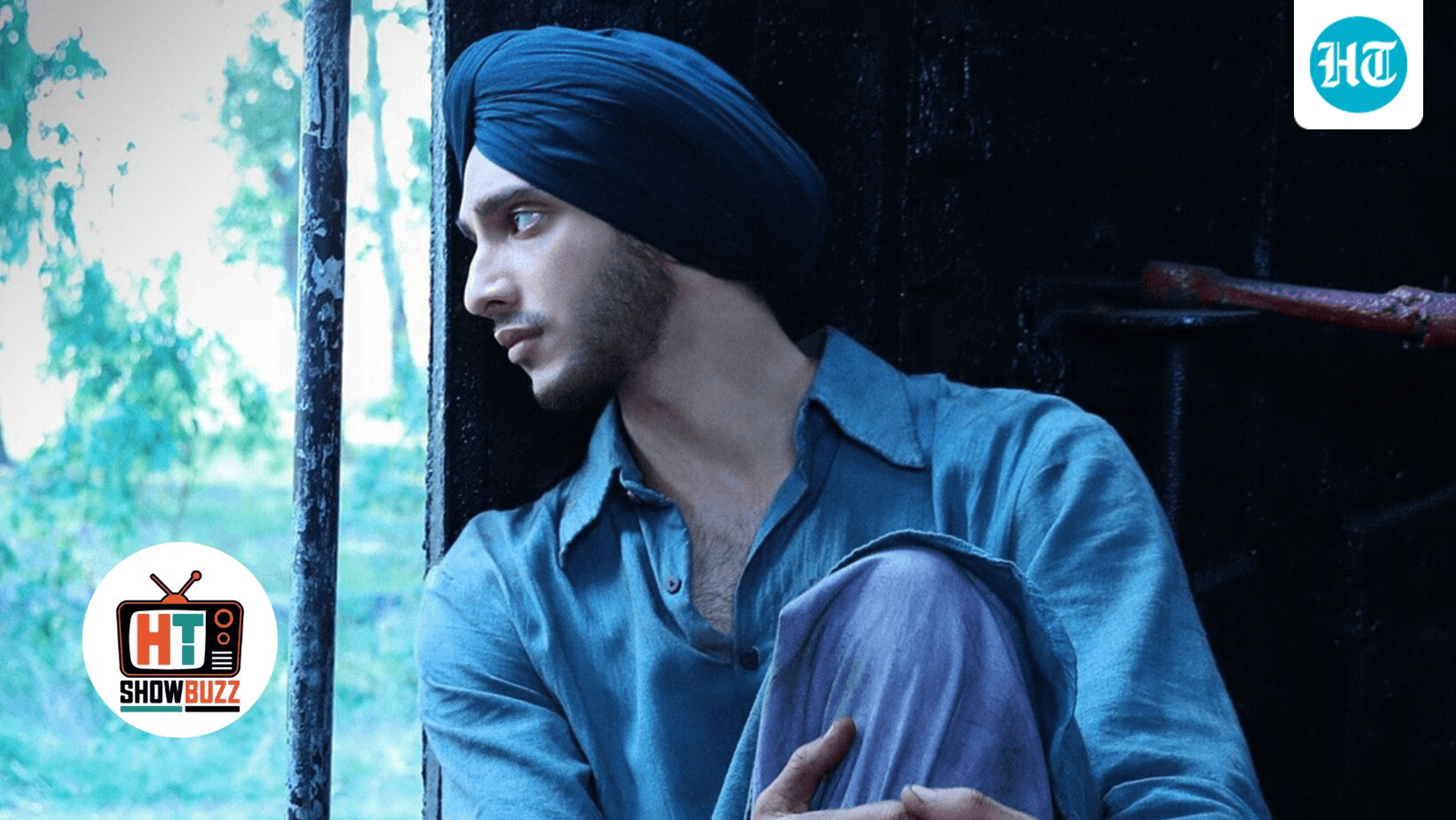
Director Imtiaz Ali’s “Main Vaapas Aaunga” follows the romance of Keenu, played by Vedang Raina, and Jiya, played by Sharvari, set against the backdrop of 1947 Punjab. Ali has said that the film is “a story of two people but also the story of a country.” He explained that the challenge was to weave a gentle love story into the most devastating humanitarian crisis ever. By concentrating on Keenu and Jiya’s relationship, he kept the larger historical events in the background, allowing the audience to connect with the characters’ personal journey.
“Batwara 1947,” directed by Rajkumar Santoshi, takes a slightly different approach. Though it is more mass‑market oriented, the film still preserves the humanity of its characters. Sunny Deol stars as a Muslim man who moves to Pakistan during the Partition, only to discover that a Hindu woman, portrayed by Shabana Azmi, remains in his new home. As tensions rise, he assumes responsibility for protecting her while also safeguarding his own family. Santoshi emphasized that the film portrays both the courage and sacrifices people made, as well as the darker acts that occurred during the Partition, offering an objective view of that era.
Both films highlight a shift in Bollywood’s treatment of Partition stories. Earlier movies such as “Pinjar” focused on pain, while “Gadar” leaned into rage. Now, filmmakers are moving beyond suffering toward themes of redemption, moving forward, and the possibility of coexistence. The releases of “Main Vaapas Aaunga” and “Batwara 1947” suggest that 2026 may see a new trend of sensitive storytelling about one of the most painful chapters in Indian history.