 Cinema Vines
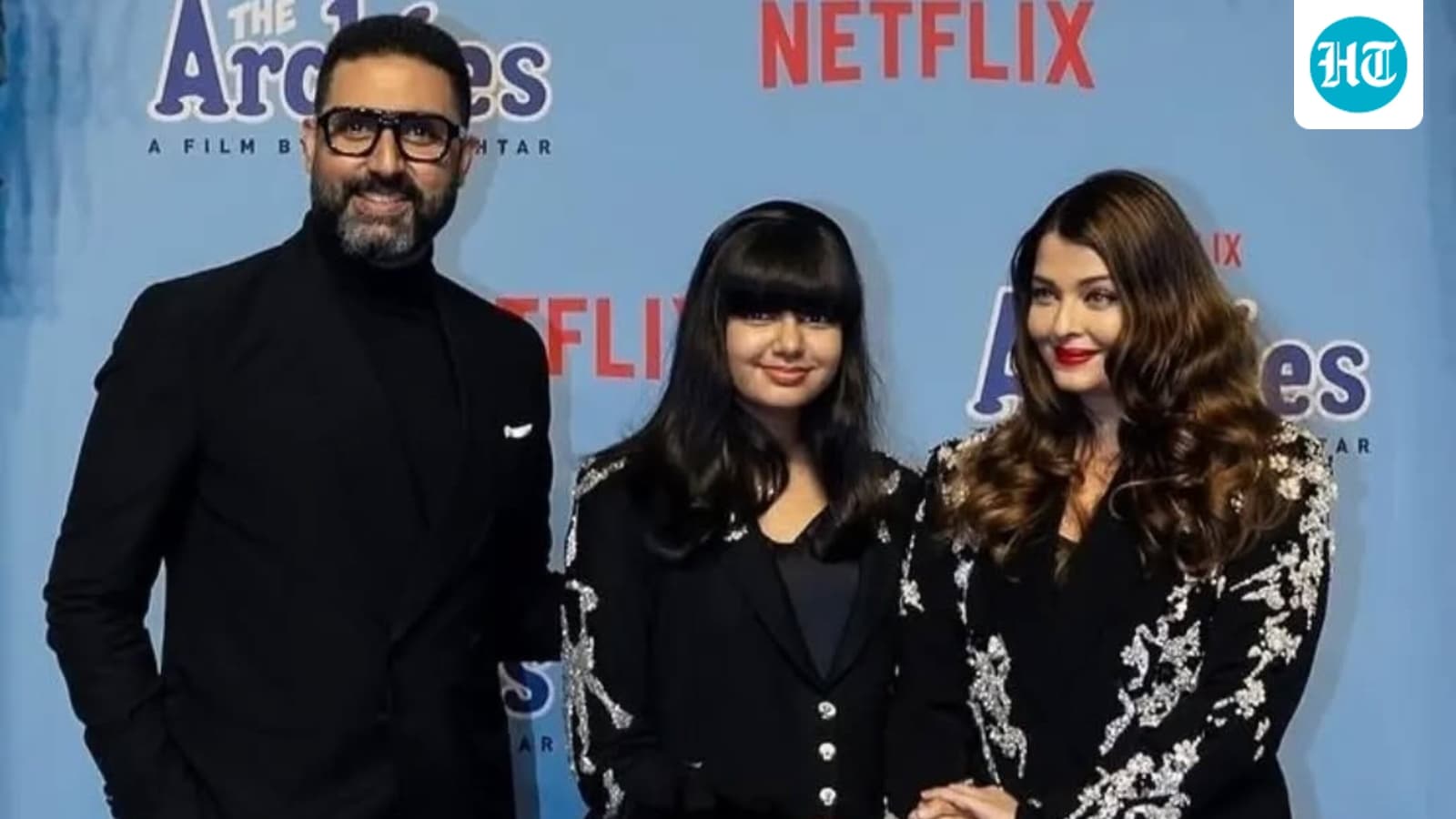
In 2023, Aaradhya Bachchan, the youngest child of Bollywood icons Abhishek Bachchan and Aishwarya Rai, filed a petition in the Delhi High Court against several YouTube channels and unnamed individuals. The complaint alleged that the channels had posted videos containing false claims about her health, including accusations that she was seriously ill, had been hospitalised and, in one instance, even that she had died. Aaradhya’s legal team, led by her father Abhishek, sought protection for her personality rights and the reputation of the Bachchan family name.
During a hearing on Thursday, Justice Anup J. Bhambhani raised a series of legal questions that the court will explore in the upcoming September session. He noted that while trademarks are typically tied to products or services, the case involving a person’s reputation is “somewhat contextually different.” The judge asked whether a family name that carries a reputation akin to a trademark can be protected across generations, and if so, to what extent. He also questioned whether publishing fake or misleading news—described as “egregiously despicable”—could constitute an infringement of intellectual property rights, and which specific IP right would be implicated.
Advocate Pravin Anand, representing the plaintiffs, argued that any attempt to tarnish or exploit the Bachchan family’s goodwill must be halted. He pointed out that the videos used images of the entire family and associated the Bachchan name with the alleged falsehoods, potentially eroding the family’s long‑held reputation. Anand highlighted that the goodwill attached to a family name can diminish over time if not protected.
The court had previously, on April 20, 2023, issued a restraining order against several YouTube channels, preventing them from sharing misleading content about Aaradhya’s health. The bench described the spread of misinformation about a child as “morbid perversity” and ruled that Google could not allow such content to be disseminated. It also emphasized that every child is entitled to be treated with honour and respect, declaring that spreading false information about a child’s health is “completely intolerable in law.”
With the case now set to be heard again in September, the Delhi High Court will decide whether the defamatory videos violate Aaradhya Bachchan’s personality rights and whether the family’s name can be protected under intellectual property law. The outcome will have implications for how family reputations are treated in the digital age and how misinformation about minors is regulated.